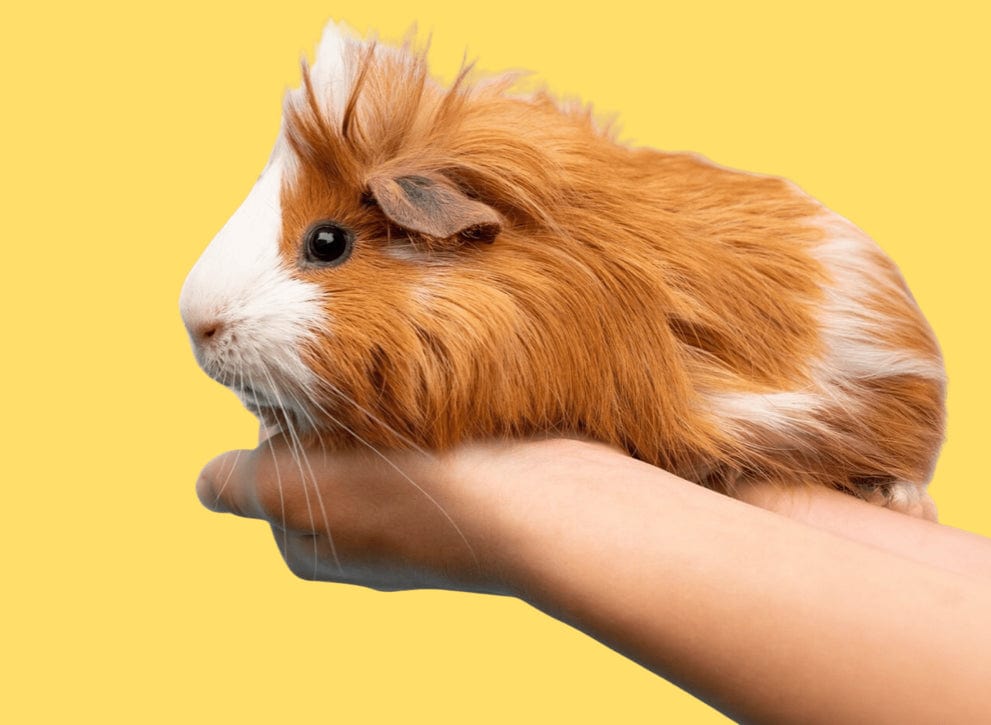
Guinea pigs are especially sensitive to high temperatures, and overheating can become dangerous quickly. Because they can’t sweat to cool themselves down the way people do, guinea pig parents need to know how to recognize the early signs of heat stress and what to do if their piggy starts getting too hot.
In this guide, Saskia walks through what guinea pig owners need to know about heatstroke, including symptoms to watch for, ways to keep guinea pigs cool, and steps you can take during a heat-related emergency. She also shares practical tips for keeping guinea pigs comfortable during warm weather and preparing for situations where they may be exposed to higher temperatures, including travel.
Watch the full video below to learn how to recognize when your guinea pig may be overheating, respond quickly, and take simple precautions to help keep your piggies safe and comfortable when temperatures rise.
What You’ll Learn
Knowing what overheating looks like and having a plan before it happens can make a big difference during hot weather. Saskia covers the warning signs, emergency basics, and everyday precautions guinea pig parents should know.
- Why guinea pigs are vulnerable to overheating and why hot weather can become dangerous for them.
- Signs and symptoms of heat stress and heatstroke to watch for in your guinea pig.
- Changes in behavior that may signal your guinea pig is getting too hot, including unusual lethargy or discomfort.
- What to do if you suspect your guinea pig is overheating and why acting quickly is important.
- Ways to safely help cool a guinea pig down while getting them the care they need.
- How to prepare a carrier for warm-weather travel to help keep your guinea pig cooler and more comfortable.
- Simple ways to reduce heat exposure at home and create a safer environment during hot days.
- Why fresh food, hay, and access to water still matter during warm weather as part of your guinea pig’s everyday care.
Key Takeaways
Heatstroke is something every guinea pig parent should take seriously, but preparation can help you reduce the risk. Pay attention to the temperature, know your guinea pig’s normal behavior, and be ready to respond if something suddenly seems off.
- Guinea pigs can overheat quickly. Their ability to regulate body temperature is limited, making prevention especially important during hot weather.
- Know what’s normal for your guinea pig. Sudden changes in activity, posture, breathing, or overall behavior can be important clues that something isn’t right.
- Don’t ignore signs of overheating. Heatstroke can become an emergency, so symptoms should be addressed promptly rather than waiting to see if they improve on their own.
- Cooling should be done carefully. The goal is to help bring your guinea pig’s temperature down safely while avoiding extreme or sudden temperature changes.
- Prepare before traveling in warm weather. A properly set-up carrier and a plan for keeping your guinea pig cool can help reduce heat exposure away from home.
- Create cool areas your guinea pig can retreat to. Shade, airflow, and appropriate cooling options can make their environment more comfortable as temperatures rise.
- Prevention is the best protection. Monitoring the weather and your guinea pig’s environment makes it easier to act before overheating becomes a serious problem.
- Heatstroke requires veterinary attention. If your guinea pig is showing signs of severe overheating or distress, contact an exotic veterinarian for guidance as quickly as possible.
Video Timestamps
- 00:00 Intro
- 00:35 Keeping Guinea Pigs Cool
- 01:31 Safe Summer Travel & Transport
- 03:22 Setting Up a Cool Carrier
- 04:23 Hydrating Foods for Hot Days
- 04:50 Signs of Heat Stroke
- 06:43 Cooling Down an Overheated Guinea Pig
- 08:05 Heat Stroke, Eating & Emergency Care
Related Care Resources
- Guinea Pig Behavior Explained: Why They Wheek, Popcorn, Chatter, and More
- Everything You Need to Know About Habitats for Your Small Pet