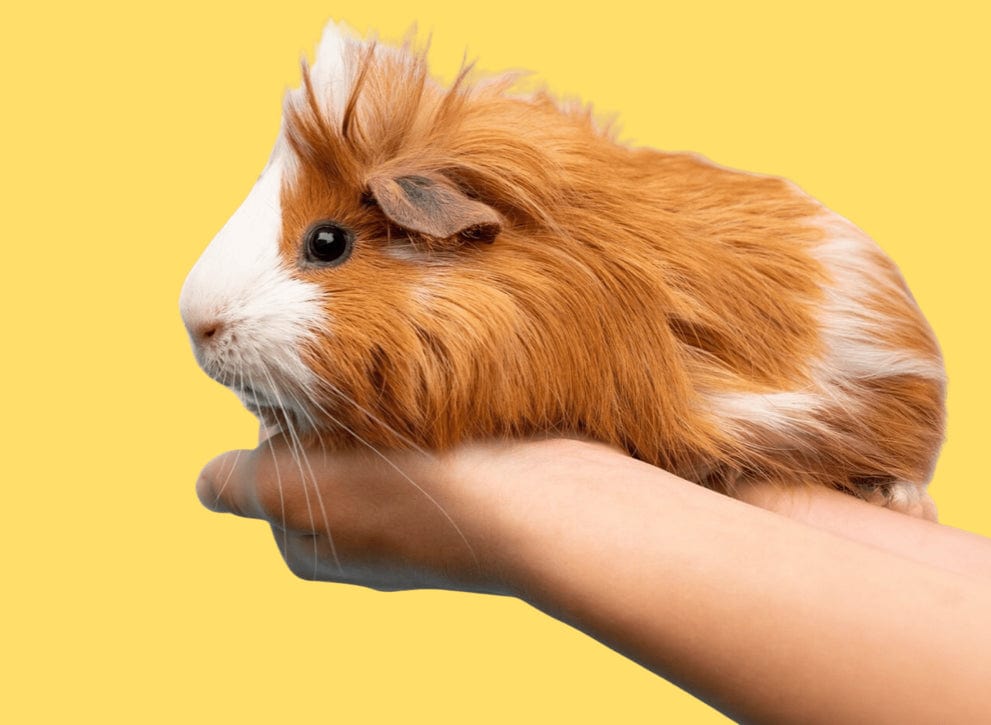
Baby guinea pigs may look like tiny versions of adults, but their first few weeks come with some important care considerations. Unlike many other baby animals, guinea pig pups are born surprisingly developed with fur, open eyes, teeth, and the ability to move around and begin exploring solid foods shortly after birth. But they’re still growing quickly and need the right nutrition, environment, socialization, and care to get the healthiest start possible.
In this complete guide to baby guinea pigs, Saskia, with LA Guinea Pig Rescue breaks down what every guinea pig parent should know about caring for pups. Whether you’re caring for an unexpected litter or preparing to welcome young guinea pigs home, this video will help you better understand their needs during this important stage of life.
Watch the full video below for practical tips and an up-close look at these little piggies as Saskia walks through the essentials of baby guinea pig care.
What You’ll Learn
Baby guinea pigs grow and develop fast, which means some of their care needs and milestones arrive sooner than you might expect. Saskia walks through what happens during those early weeks and the important things guinea pig parents should know along the way, including:
- What baby guinea pigs are like at birth, including how developed and independent pups are from their very first days.
- What baby guinea pigs should eat as they grow, including the importance of hay and proper nutrition alongside nursing.
- How and when to handle baby guinea pigs to help them become comfortable with people while keeping interactions safe and gentle.
- How baby guinea pigs grow and develop during their first several weeks of life.
- How to tell male and female guinea pigs apart and why correctly identifying their sex early is so important.
- When male pups need to be separated from females to help prevent accidental pregnancies.
- Why socialization and companionship matter, both while pups are with their mother and as they become more independent.
- What to consider as baby guinea pigs are weaned and transition into the next stage of care.
Key Takeaways
Baby guinea pigs may become active and independent remarkably quickly, but those first weeks set the foundation for healthy growth, good social skills, and a smooth transition into adulthood. A little preparation and knowing the important milestones goes a long way.
- Guinea pig pups are born well-developed. Babies arrive with fur and open eyes and can move around soon after birth, making them very different from many other newborn rodents.
- Babies begin exploring solid food early. Even while they’re still nursing, pups can start nibbling hay and other appropriate foods like Young Guinea Pig Food Pellets, while learning healthy eating habits from the guinea pigs around them.
- Good nutrition is especially important during growth. Young guinea pigs need constant access to appropriate hay and a balanced diet that supports their rapidly developing bodies.
- Gentle handling helps build trust. Positive, careful interactions while guinea pigs are young can help them become more comfortable with people as they grow.
- Knowing each pup’s sex is essential. Male and female babies can look very similar, so identifying them correctly is an important part of responsible care.
- Male pups must be separated from females at the appropriate age. Guinea pigs can become reproductively mature, surprisingly young, so waiting too long can lead to an accidental pregnancy.
- Baby guinea pigs still need other guinea pigs. Social interaction plays an important role in their development, and companionship remains important as they grow.
- Pay attention to each baby’s development. Eating habits, activity, growth, and overall behavior can help you recognize whether a pup is progressing normally or may need additional attention.
Video Timestamps
- 00:00 Intro
- 00:30 Rescuing a Large Group of Guinea Pigs
- 01:30 When Baby Guinea Pigs Reach Sexual Maturity
- 01:55 Babies & Their Different Coats
- 02:18 Caring for Rescued & Feral Babies
- 03:14 Guinea Pig Pregnancy & Gestation
- 03:14 Pregnancy, Birth & Nursing
- 04:54 Feeding & Caring for Baby Guinea Pigs
- 06:53 Preventing Accidental Pregnancies
- 08:34 Meet the Newborn Babies
- 10:24 Newborn Guinea Pig Care
- 12:04 Handling & Development of Newborns