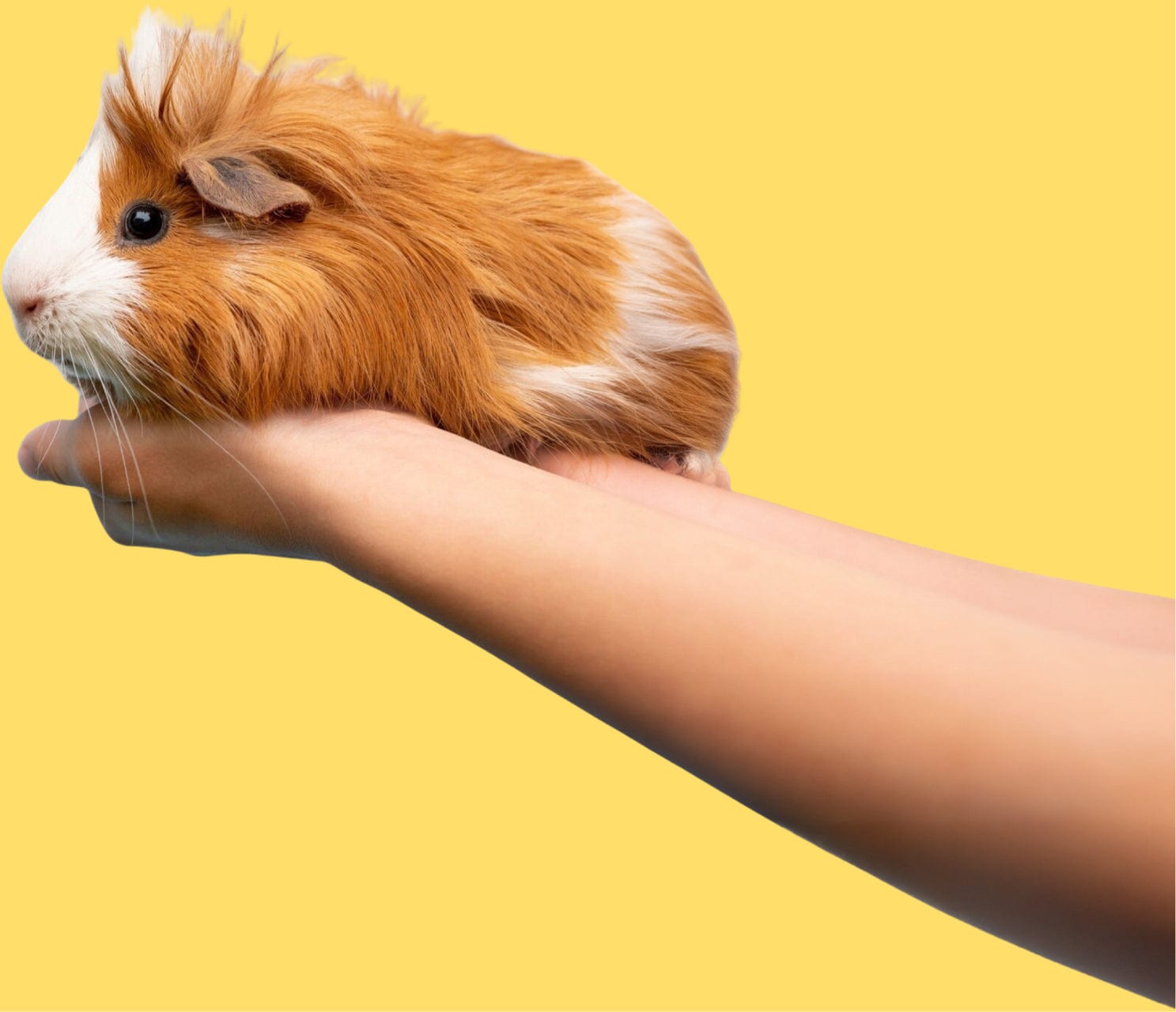
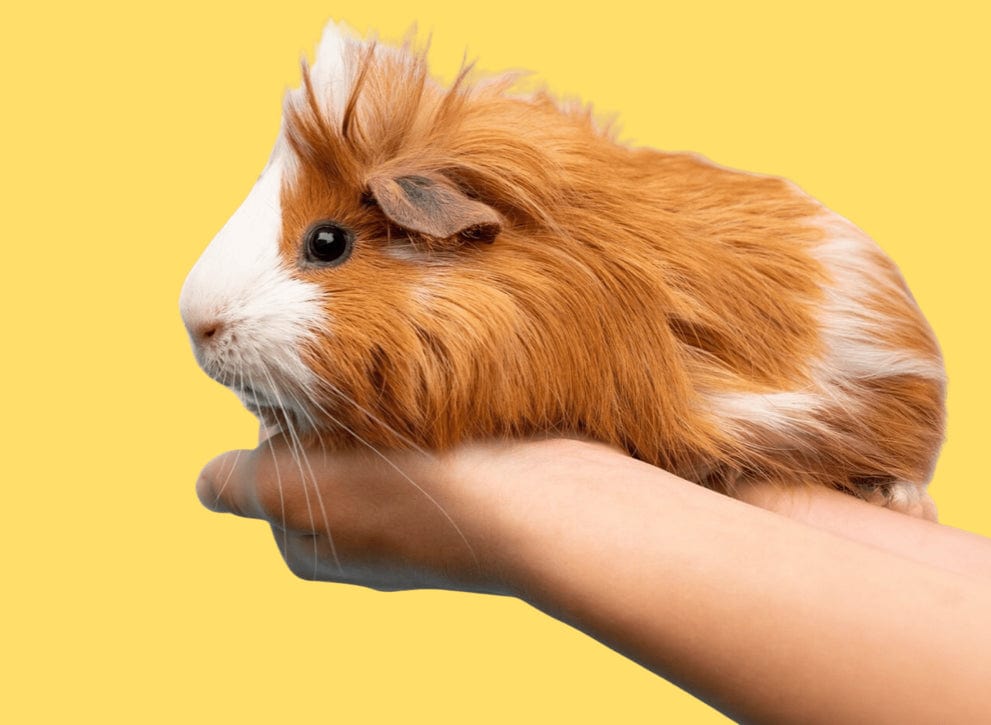
- Happy guinea pigs communicate through wheeks, popcorns, zoomies, and other adorable behaviors.
- Body language like rumble strutting, periscoping, and freezing provides clues about your piggy's mood.
- Sudden changes in behavior can be an early sign of illness or discomfort.
- Learning your guinea pig's unique communication style helps you become a more confident pet parent.
Did your guinea pig suddenly leap into the air? Squeal the second you entered the room? Or make a low rumbling sound that left you wondering if something was wrong?
Guinea pigs may be small, but they are surprisingly expressive.Piggies use a combination of sounds and body language to tell us when they're excited, relaxed, curious, nervous, or just in need of a little personal space.

Recognizing these sounds and behaviors is one of the most rewarding parts of sharing your home with guinea pigs. Once you know what to look and listen for, you'll start noticing that your piggy is communicating all day.
Let's explore some of the most common guinea pig behaviors and what they might be trying to tell you.
The Many Sounds Guinea Pigs Make
Guinea pigs are extremely vocal and sometimes really loud.
Just like humans, some piggies talk more than others. Not all guinea pigs make all of the vocalizations listed here, and younger cavies generally talk more than older ones. The important thing is to get to know how your guinea pigs express themselves, then watch for changes in those behaviors.

Wheeking: "Do I hear snacks?”
Do your guinea pigs start squealing the moment you enter the room or open the refrigerator?
The loud, high-pitched whistle known as a “wheek” is probably the best-known guinea pig vocalization. It’s usually a sound of excitement and anticipation, meaning your guinea pig is happy or believes something wonderful is about to happen.

Wheeking can also be a call for attention. Babies wheek to find their mothers, while lonely piggies may wheek in hopes of finding a friend. Some cavies even wheek simply to get their humans’ attention.
If your guinea pig is not a wheeker, it’s okay. Not every piggy vocalizes this way. However, if your piggy usually wheeks and stops, it could be a sign that something is wrong. Similarly, if your guinea pig’s wheek changes into more of a loud, piercing shriek, your piggy may be scared or in pain.

Chutting: “This is living the life!”
Not all happy piggy moments are loud or explosive. Sometimes happiness sounds more like a gentle, rhythmic “chut” that falls somewhere between a quiet purr and a soft clucking noise.
Guinea pigs often make a “chut” noise while calmly exploring their surroundings, sniffing something interesting, or spending time with their trusted piggy pals. If your guinea pig is wandering around and making quiet chutting sounds, it may mean they're relaxed, curious, and simply enjoying life.
Bubbling (and Pancaking): “Totally chillin!’”
Bubbling is another happy sound that’s even quieter than chutting. In fact, it can sometimes be hard to hear.
Many guinea pigs only bubble when they are completely relaxed and enjoying time with either a cagemate or their humans. It can sound like a teeny-tiny snore.
Bubbling often accompanies “pancaking,” which is when your piggies lie flat, sprawled out on their bellies with thei eyes closed. For guinea pigs, it doesn’t get more zen than that.
Rumble Strutting: "Look at me!”
One of the most distinctive guinea pig behaviors is the rumble strut. As the name suggests, this behavior combines a low rumbling sound with a slow, confident walk and a distinctive side-to-side hip sway. Picture your piggy as a model on a catwalk, and you’ve got the rumble strut.
While this fancy strut is typically performed by males trying to impress females, girls can strut too. Rumble strutting is often a courtship ritual, but it isn’t always just about romance. Sometimes guinea pigs rumble strut to help establish dominance, like who gets first choice at the food bowl.
Rumble strutting is a perfectly normal behavior, but it can sometimes lead to chasing or fighting, so just keep an eye out for any escalation.
Teeth Chattering: “Back off, Bucko!”
Not all guinea pig noises are warm and fuzzy. In fact, teeth chattering is the opposite. It’s meant as a warning.
Teeth chattering is common when piggies are first being introduced or when they otherwise feel threatened or annoyed. If you hear teeth chattering, give your guinea pig some space, but keep an eye out to make sure a little spat doesn’t turn into a bigger issue.

The Many Things Guinea Pigs Do
Often, what your guinea pig is doing tells you just as much as the sounds they're making. Although guinea pigs make plenty of sounds to let pet parents know how they feel, they are also masters of body language. Here are some of the most common ways cavies communicate nonverbally.

Popcorning: “Best. Day. Ever!”
Have you ever seen your guinea pigs suddenly spring into the air, kick out their back legs, twist slightly, then land as though nothing had just happened? This is one of the cutest guinea pig behaviors, affectionately known as “popcorning.”
Sometimes guinea pigs are so happy they just can’t contain themselves, bursting with excitement, like a popcorn kernel. Popcorning is almost always a sign that your guinea pig feels safe, playful, and content.

Young guinea pigs are especially known for these joyful hops, but plenty of adults continue to popcorn throughout their lives. While some guinea pigs perform big dramatic, acrobatic popcorns, others barely leave the ground. Both are normal and adorable.
Zoomies: “I’ve got places to be!”
Sometimes healthy guinea pigs have pent-up energy that they need to burn off. When piggies get the zoomies, they will race around their enclosure or play area at surprising speeds, zigzag, then suddenly stop to investigate whatever catches their interest.
In most cases, these playful bursts of energy are a sign that your piggy is overjoyed. But if zoomies become erratic or are accompanied by frequent scratching or biting, your piggy may be experiencing skin irritation or parasites. If your piggy zooms and then freezes, something may have frightened them.
Zoomies are also a good reminder of how important space is. A roomy enclosure, daily floor time, tunnels, hideouts, and enrichment opportunities all encourage healthy exercise and exploration.
Periscoping: "What did I miss?"
Your guinea pig may occasionally stand on their hind legs to get a better look around, a behavior sometimes referred to as “periscoping.” Stretching upward and sniffing the air is simply part of how guinea pigs gather information about the world around them. Whether your piggy is trying to investigate an unfamiliar sound or see if that truly was the snack bag they heard, periscoping simply means your guinea pig is curious.

Foraging: “Look what I’ve found!”
Guinea pigs explore their surroundings not only with their eyes, but also with their noses. A new cardboard tunnel, a fresh pile of hay, or a recently rearranged play area all encourage investigation by sniffing, nudging, and exploring.
This natural curiosity is one reason enrichment is so important. Rotating toys, adding safe chew items, or scattering a few healthy treats around their enclosure encourages guinea pigs to use their natural chewing and foraging instincts.
Mounting: “Who’s in charge here?”
It can be surprising to see one guinea pig climb onto another, especially if you’re unfamiliar with this type of social behavior. While mounting can be related to courtship, it’s also a natural way for guinea pigs to establish social hierarchy. Occasional mounting is generally considered normal social behavior, but it can sometimes lead to fighting, so it’s best to keep a close watch if you notice one piggy mounting another.

Freezing: “What was that?”
As prey animals, cavies naturally pay extra attention to changes in their surroundings. Strange noises or unexpected movements can trigger their survival instinct, causing them to freeze in place while they try to figure out what is going on. Once they determine everything is safe, they usually pick right back up where they left off.
Providing hideouts in your piggy’s cage or play area is a good way to give them a safe spot to retreat to whenever they feel nervous.
Chewing: “I’ll take hay all day!”
Guinea pigs spend most of their waking hours chewing, especially on hay. Chewing is one of your guinea pig's most important natural behaviors. It keeps their mind engaged while helping wear down their continuously growing teeth.
Hay is especially important, as it keeps their digestive tract moving properly and helps wear down their continuously growing teeth. Guinea pigs should have unlimited access to fresh hay all day, every day. Piggy-safe chew toys can also be provided for added enrichment.

Behaviors That May Signal Something Is Wrong
As prey animals, guinea pigs instinctively hide signs of illness or injury. That's why it's important to notice changes in your piggy's normal behavior. Contact your veterinarian if you notice any of these changes in behavior:
- No longer eating or drinking. This is one of the biggest red flags in guinea pigs and should be treated as an emergency.
- Becomes unusually quiet. A piggy that normally wheeks or interacts with you but suddenly becomes silent may not be feeling well.
- Hides much more than usual. While guinea pigs love their hideouts, a piggy that won't come out, even for favorite treats, deserves attention.
- Seems lethargic or reluctant to move. Healthy guinea pigs are naturally curious. A piggy that sits hunched in one spot or doesn't want to explore may be sick or in pain.
- Makes a loud, piercing shriek. Unlike noises, a sudden shriek can indicate pain, fear, or injury.
- Grinds teeth loudly. Gentle chewing is normal, but persistent, loud tooth grinding can be a sign of discomfort or pain.
- Labored breathing, wheezing, or frequent sneezing. These may indicate a respiratory illness and should be evaluated promptly.
- Walks differently or has trouble moving. Limping, dragging a leg, or difficulty standing can signal an injury or other medical problem.
- Scratches constantly or zooms frantically while biting at their skin. This can sometimes point to mites or other skin parasites.
- Seems unusually uncomfortable when touched. This may indicate bloating or gut problems, which can become serious very quickly.
Because a guinea pig’s health can decline rapidly, any pig showing signs of lethargy, loss of appetite, or sudden behavioral changes requires immediate evaluation by a qualified exotic veterinarian.

The more time you spend with your guinea pigs, the more you’ll discover each piggy’s unique ways of communicating. One may greet you with enthusiastic wheeks, while another may quietly chutter while being petted.
Learning to recognize your guinea pigs’ sounds and body language will not only help you understand their unique personalities but also allow you to notice when something isn't quite right. Paying attention to those little squeaks, hops, and curious looks helps build trust, strengthens your bond, and ensures your piggies stay happy, healthy, and thriving.
Guinea Pig Behavior FAQs
-
Why does my guinea pig wheek?
Wheeking sounds usually signal excitement, anticipation, or a desire for food or attention.
-
What does it mean when a guinea pig popcorns?
Popcorning is generally a sign that your guinea pig feels happy, playful, safe, and content.
-
What is rumble strutting?
Rumble strutting combines a low rumble, slow walk, and swaying hips. It may be related to courtship or establishing social hierarchy.
-
Why does my guinea pig suddenly freeze?
Guinea pigs may freeze when a sudden or unfamiliar noise or movement triggers their prey-animal instincts.
-
When should I contact a veterinarian about my guinea pig’s behavior?
Contact an experienced exotic veterinarian if your guinea pig stops eating, becomes unusually lethargic, has difficulty breathing, or shows other sudden behavioral changes.