The night before pickup day has a way of turning a simple shopping cart into a very expensive guessing game. A hideout seems important. So does the cute tunnel. Then there is bedding, food, a bottle, maybe a bowl, maybe treats, maybe a starter kit that promises everything at once. And somehow, after all that clicking, plenty of new owners still do not feel sure they have the true non-negotiables covered.
We like to narrow that moment down to one calmer question: what has to be ready for the first week? Not the perfect forever setup. Not every accessory your pet might enjoy later. Just the basics that let a guinea pig, hamster, rabbit, or chinchilla come home safely, eat properly, settle in, stay clean, and avoid sending you on an emergency store run two days later.
Start with the staples that matter most
Before you fill the cart with extras, make sure the first-week basics are covered: quality hay, species-appropriate pellets, bedding, and simple habitat essentials your small pet can rely on from day one.
Shop First-Week EssentialsThat is the real job of a first order. If we get habitat basics in place first, feeding staples next, comfort and cleanup after that, and enrichment last, the whole process gets easier. Most of the overwhelm comes from trying to buy everything at once instead of buying in the right sequence.
When people shop by aisle or by whatever looks cutest online, the cart fills up in the wrong order. We prefer to think in layers. First, your pet needs safe containment and a sensible living area. Second, they need the staple food and water setup that will matter on day one. Third, they need bedding, litter or cleanup support, and a place to rest and hide. Only after that do toys, extra décor, and novelty add-ons start to matter.
This matters because week-one problems are usually not caused by too few accessories. They are caused by missed basics: not enough hay, the wrong staple food, poor bedding choices, no proper hideout, or a setup that is cluttered but not actually comfortable. A smart first order should feel a little boring in the best possible way. Staple categories do the heavy lifting.
What belongs in the first order for almost every small pet
Across these four species, the overlap is bigger than it looks. The names of the products may vary, but the core categories stay remarkably consistent. If your cart covers the essentials below, you are much closer to being genuinely ready than a fluffy starter bundle might suggest.
- Safe habitat basics: an appropriately sized enclosure or living space, plus the simple setup pieces that make it usable right away.
- A water setup: a bottle or bowl, depending on species and setup, with a plan to check it daily from the start.
- Species-appropriate staple food: for many small pets, that means quality hay and species-specific pellets forming the backbone of daily feeding.
- Bedding or litter support: enough absorbent, pet-safe material to keep the environment dry, comfortable, and easier to maintain.
- A hideout or shelter: something secure and simple that helps a new pet feel protected during the stressful first few days.
- Basic cleanup and replenishment supplies: enough food and bedding on hand so you are not scrambling immediately after your pet comes home.
Where the species differ is mostly in emphasis. Rabbits, guinea pigs, and chinchillas lean heavily on hay as a staple. Hamsters need a setup that prioritizes security, bedding depth, and uncluttered function over decorative extras. Chinchillas and rabbits also benefit from thoughtful airflow and a setup that does not trap heat or crowd the space. But the shopping logic stays the same: cover the necessities first, then layer in more once you see how your pet uses the space.

What changes by species
Guinea pig
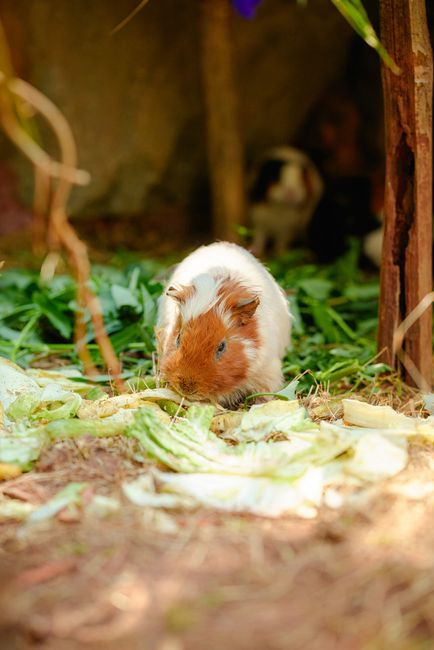
A guinea pig’s first week goes more smoothly when we focus on steady access to staple food, comfortable bedding, and a simple place to retreat. Guinea pigs can look easy to shop for because so many items are marketed to them, but the basics matter much more than decorative habitat fillers.
- Grass hay as a daily staple
- Guinea pig pellets made for the species
- Safe bedding for the habitat
- A water bottle or other reliable water setup
- A hideout for security
Caution-wise, we would not let treats and add-ons crowd out hay and pellets in the budget. If the cart is full of snack items but light on staple feeding and bedding, it is out of balance already.
Hamster
For a hamster, week one is about security and function. New owners often feel pressure to create a busy, toy-packed enclosure immediately, but a calmer setup with the right basics is usually the better starting point.
- An appropriate enclosure setup with secure habitat basics
- Plenty of suitable bedding
- A hideout or sheltered resting space
- A water bottle or bowl that works reliably in the enclosure
- Species-appropriate food
Our main caution here is not to mistake visual fullness for enrichment. A crowded enclosure can still miss what matters if it skimps on bedding, shelter, or usable space. Start simple and effective, then add interest once your hamster settles in.
Rabbit
Rabbits do best when the first order is built around staple feeding and a clean, comfortable living area. It is easy to over-shop for rabbits because there are so many bowls, chews, and cute accessories available, but hay should sit at the center of the setup from day one.
- High-quality grass hay in a meaningful supply
- Rabbit pellets suited to the species and life stage
- Bedding and litter-area supplies as appropriate for the setup
- A water setup you can monitor easily
- A hide or resting area
One caution we always keep in mind: rabbits need room, airflow, and practical cleanliness more than they need a crowded habitat. In warmer weather especially, avoid turning the enclosure into a stuffed display of nonessential accessories.
Chinchilla
Chinchillas need a first-week setup that stays clean, sensible, and well managed rather than overloaded. Their basics are not flashy, but they are important: staple feeding, reliable water, secure shelter, and a habitat that does not create avoidable stress.
- Quality hay as a staple
- Chinchilla-specific pellets
- Safe bedding or habitat-lining support
- A dependable water setup
- A hideout or sheltered resting area
We would be especially thoughtful about clutter and heat. Chinchillas do not need a first-week habitat packed with extras, and they benefit from a setup that is easy to keep comfortable, clean, and well ventilated.
What can wait without hurting the first week
This is where many carts get expensive. The trap is assuming that if something is sold next to essential supplies, it must also be essential. Usually, it is not. During the first week, we are not trying to impress anyone with a fully accessorized habitat. We are trying to make sure the pet is fed, hydrated, sheltered, and easy to care for.
Most novelty treats can wait. Decorative habitat pieces can wait. Extra tunnels, themed accessories, and backup versions of everything can wait. Oversized starter bundles can also be misleading because they often make the setup look complete while under-serving the categories that matter most long term, like hay, pellets, bedding, and replenishment basics.
That does not mean fun is bad. It just means timing matters. Once your pet is home and the basics are working, you will have a much better feel for what your animal actually uses, ignores, or outgrows quickly. Buying gradually after that is usually smarter than panic-buying everything upfront.
The first week is really about watching the staples work
Once your pet comes home, the job shifts from shopping to observing. This is when a good first order proves itself. You want enough staple food on hand, enough bedding to keep the setup clean, a water system you can verify every day, and a habitat that lets your pet rest without being overwhelmed.
- Check hay or staple food availability daily where relevant
- Make sure pellets stay species-appropriate and consistent
- Confirm the water setup is working and being used
- Refresh bedding or cleanup areas before they become a problem
- Watch for signs that the habitat feels secure, not crowded or stressful
That routine mindset is what keeps week one manageable. If the basics are stable, you can learn your pet’s preferences without the pressure of missing something major. And if you are building that first order from staple categories instead of filler, reordering gets easier too, especially when you want dependable hay, pellets, bedding, and other day-to-day essentials in one place.
Questions new owners usually ask at the last minute
Do I need to buy everything before pickup day?
You do not need every future accessory before pickup day, but you do need the essentials in place. The habitat basics, water setup, staple food, bedding, and a hideout should be ready before your pet arrives. Extras can come later.
Is a starter kit enough?
Sometimes a starter kit covers part of the setup, but we would not assume it covers the most important staples well. The weak spot is often not whether there are enough accessories. It is whether you have the right food, enough hay where needed, safe bedding, and practical replenishment supplies for the first week.
Can toys wait?
Usually, yes. A new pet needs safety, consistency, and the right daily-care basics more urgently than a pile of enrichment items. Start with a functional setup, then add toys and extras once your pet is settled and you know what fits the space and species well.
What if I am trying to keep the first order affordable?
The easiest way to control cost is to buy fewer novelty items and put the budget toward the categories that actually support daily care. A smaller cart built around hay, pellets, bedding, water, and shelter is often far more useful than a larger cart full of add-ons.
If you are standing at that pre-pickup crossroads, we would keep it simple: build the first order around staple essentials, let the habitat earn its extras later, and choose supplies you will feel good about using beyond day one. That is the steadier path for your pet and the easier path for you. We are not veterinarians, and none of our information should be construed as veterinary advice. Before adding any new product, please consult your exotic veterinarian. If your pet is acting unwell and you have concerns for their well being, please contact your vet immediately.
Build a better small pet order in one place
When you are ready to stock up on dependable hay, pellets, bedding, and day-to-day care supplies, choose products designed for rabbits, guinea pigs, hamsters, and chinchillas so week one feels calmer from the start.
Shop Small Pet Supplies