You pour the pellets, your rabbit hustles over like that bowl is the whole meal, and the hay rack off to the side suddenly feels suspicious. Is your bunny just being picky, or is the food itself making it easier to choose the wrong thing?
We see this confusion all the time. A lot of products marketed as food for bunnies look cheerful, complete, and easy to understand from the front of the package. But rabbit nutrition usually gets simpler, not more complicated, once we stop shopping by packaging and start looking at what actually supports daily hay intake. For most healthy adult rabbits, hay should do the heavy lifting. Pellets can help. Treats should stay in the background. When that order gets flipped, feeding starts to feel messy fast.
Make fresh hay the easiest choice for your rabbit
If your bunny rushes pellets and ignores the hay rack, upgrading the staple often helps more than adding more variety. Explore fresh rabbit hay, simple pellets, and other everyday essentials built around a healthier hay-first routine.
Explore Rabbit StaplesThat is why we like a hay-first approach. It gives us a clearer way to judge what belongs in the bowl, what belongs in the hay rack, and what is only an occasional extra. It also helps explain one of the most common household frustrations: the rabbit who seems thrilled about pellets and unimpressed by hay. In many cases, that is not a personality flaw. It is a feeding pattern we can gently improve.
When people search for food for bunnies, they are often really asking two different questions at once: what should my rabbit eat every day, and what should I actually buy? The first answer makes the second one much easier. A healthy rabbit diet is built around unlimited grass hay, with pellets and treats playing much smaller supporting roles. Leafy greens may also be part of the routine depending on your rabbit’s age, health, and your veterinarian’s guidance, but the center of the picture is still hay.
That matters because rabbits are designed to spend long stretches chewing fibrous foods. Hay supports normal wear on teeth, helps keep the digestive system moving, and gives rabbits the kind of all-day nibbling behavior their bodies are built for. Pellets are more concentrated and faster to eat. Treats are even more exciting. So if the most rewarding part of the diet keeps grabbing your rabbit’s attention first, hay can start losing the competition even though it should be the main event.
We think it helps to picture the routine this way: hay should be constantly available and tempting enough that your rabbit returns to it again and again. Pellets should complement that routine, not replace it. Treats should feel small and occasional, not like a second meal. Once we frame feeding that way, a lot of buying decisions get easier. We stop asking which product sounds fun and start asking which one helps hay stay at the center.
If you have ever felt stuck between a plain-looking staple and a brightly marketed bunny food, this is the filter we use. Look at whether each product supports a hay-first diet or distracts from it. The goal is not perfection. It is learning to notice a few quality signals that matter more than front-label claims.
For timothy hay
Good hay should look and smell alive, not tired. We want hay that has a fresh, grassy smell, visible fiber, and enough texture to invite chewing. A dusty, stale, overly brown, or flattened box of hay may technically be hay, but it is often much less appealing to rabbits, especially selective eaters. Freshness matters here more than many owners realize. When hay has better aroma and structure, rabbits often show more interest without us needing to make the diet more exciting with richer extras.
Timothy hay is a common staple for adult rabbits, and quality can vary a lot from one batch or source to another. We like hay that feels like a real food crop, not a generic shelf item that has sat around losing appeal. If your rabbit has been ignoring hay, this is one of the first places we would look.
For pellets
Pellets should be simple and hay-supportive, not a grab bag of distractions. In general, we want a plain pellet rather than mixes with colorful bits, seeds, nuts, dried fruit pieces, or other extras that encourage selective eating. A rabbit can learn very quickly to hunt for the richest parts and leave the more important staples behind. That same habit often spills over into the hay rack too.
We also like ingredient panels that feel straightforward instead of flashy. Simplicity is a strength in rabbit pellets. If the product seems designed to entertain the shopper more than support the rabbit’s hay-first routine, that is usually not a great sign.
For treats
Treats should be exactly what the name suggests: treats. They should not crowd out hay, train your rabbit to hold out for sweeter options, or turn every feeding moment into a negotiation. We look for treats with plain, understandable ingredients and a purpose that fits a small-pet routine, not candy-like novelty.
- Choose hay that smells fresh and looks fibrous, not dusty or dull.
- Choose plain pellets over colorful mixes with add-ins.
- Choose treats that stay small, simple, and occasional.
- Skip foods that seem built around excitement instead of steady hay intake.
Why some rabbits rush pellets and leave hay behind
It is easy to misread a pellet-loving rabbit as a rabbit with a great appetite. The issue is that enthusiasm does not always equal balance. Pellets are concentrated and easy to eat quickly. Treats are even more rewarding. Hay asks for slower, longer chewing. So when a rabbit has repeated chances to fill up on richer options, hay can start feeling like the less interesting backup plan.
Owners usually do not create this pattern on purpose. It often starts with kindness. We want to make sure our rabbit is eating, so we top off pellets, add more treats, or keep trying new mix-ins when hay interest dips. From the rabbit’s perspective, that can become a very successful strategy: ignore the plain staple, wait for something better, and eventually something better appears.
Quality makes a difference here too. If hay is stale or flattened, it is harder to compete with pellets. If pellets are packed with extras, they become even more compelling. That is why we do not think of selective eating as only a behavior problem. It is often a food-quality and routine problem at the same time.
How we would reset a pellet-first rabbit
The goal is not to make feeding feel punitive. We want to make hay more attractive and the overall routine less cluttered. That usually starts with fresher hay, a simpler pellet choice, and more consistency from day to day. A rabbit who always has a highly rewarding alternative has little reason to rediscover hay.
We would begin by checking the staple itself. Is the hay fresh, fragrant, and inviting? Is it easy for your rabbit to access in the spots where they naturally like to eat or lounge? Is the pellet plain, or is it effectively functioning like a snack mix? Small adjustments in those basics can change behavior more than people expect.
- Refresh the hay first and make sure plenty is always available.
- Keep pellets measured and plain rather than constantly topped off.
- Pull back on rich extras that teach your rabbit to wait for better options.
- Give the new routine a little time so hay can become normal again.
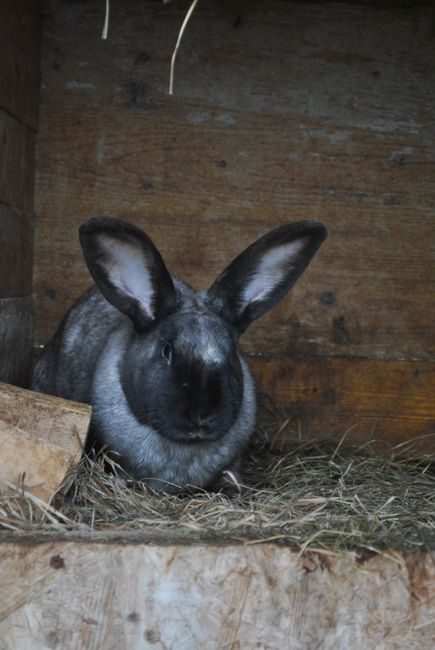
If your rabbit has been eating a pellet-heavy routine for a while, think in terms of a gentle reset, not a dramatic showdown. We want less competition around hay, not more feeding stress. And if you are ever dealing with poor appetite, unusual droppings, pain signs, or sudden changes, that is a veterinary question rather than a shopping problem.
Build a smarter staple order, not a bigger one
Once the hay-first picture is clear, a rabbit-food order usually gets simpler. You do not need endless variety for the sake of variety. You need dependable staples that support the same healthy pattern week after week: fresh hay at the center, a sensible pellet, and a few appropriate extras used thoughtfully.
That is one reason we believe specialty sourcing matters. When you are buying food for bunnies online, convenience should not mean settling for generic shelf basics. Freshness, consistency, and reliable restocking make a real difference, especially for picky rabbits or busy households that do better when they are not scrambling to replace the staples at the last minute.
A smart order usually starts with the products your rabbit should never run out of. Hay comes first. A plain pellet follows. Treats are optional and should stay in proportion to the rest of the diet. From there, convenience features matter more than many people expect. Free shipping thresholds can make routine ordering easier. Autoship can help you avoid that familiar moment when the hay box is suddenly low and you are tempted to grab whatever is easiest instead of what is best. A dependable source also makes it easier to stay consistent enough to see whether a hay upgrade or pellet simplification is actually helping your rabbit.
That is where Small Pet Select fits naturally. We built our approach around the reality that small pets notice freshness, owners need dependable staples, and picky eaters often do better when the basics are truly better. Instead of chasing flashy bunny-food marketing, we would rather help you keep a simple, high-quality routine in place.
Common questions rabbit owners still have
What if my rabbit is extremely picky about hay?
Start by questioning the hay, not just your rabbit. Freshness, texture, and aroma can make a big difference in interest level. We would also look at whether pellets and treats have become too rewarding by comparison. Many picky rabbits improve when the hay gets better and the extras get simpler.
Should I switch foods all at once if I want a healthier routine?
In general, food changes should be made thoughtfully rather than abruptly. If you are changing pellets or adjusting the routine, a gradual transition is usually the safer path. Hay should stay consistently available throughout. If your rabbit has a sensitive stomach or a medical history, your exotic veterinarian should guide the transition.
Are all rabbit treats healthy if they are sold for rabbits?
No. Rabbit marketing and rabbit nutrition are not the same thing. Some treats are simply too exciting, too frequent, or too distracting from a hay-first diet. We prefer treats that are plain, limited, and easy to fit into a routine without turning your rabbit into a selective eater.
If your current setup feels confusing, we would not start by adding more bunny food options. We would start by upgrading the staples that matter most: fresh hay, simple pellets, and a routine that makes hay the easiest choice to keep making. That is usually the calmest path to a healthier rabbit and a more confident owner.
We are not veterinarians, and none of our information should be construed as veterinary advice. Before adding any new product, please consult your exotic veterinarian. If your pet is acting unwell and you have concerns for their well being, please contact your vet immediately.
Ready to build a smarter rabbit food order?
Keep the basics in stock with premium hay, plain pellets, and simple treats from Small Pet Select. A dependable source makes it easier to stay consistent, support healthy chewing, and avoid last-minute compromises.
Shop Rabbit Food Now