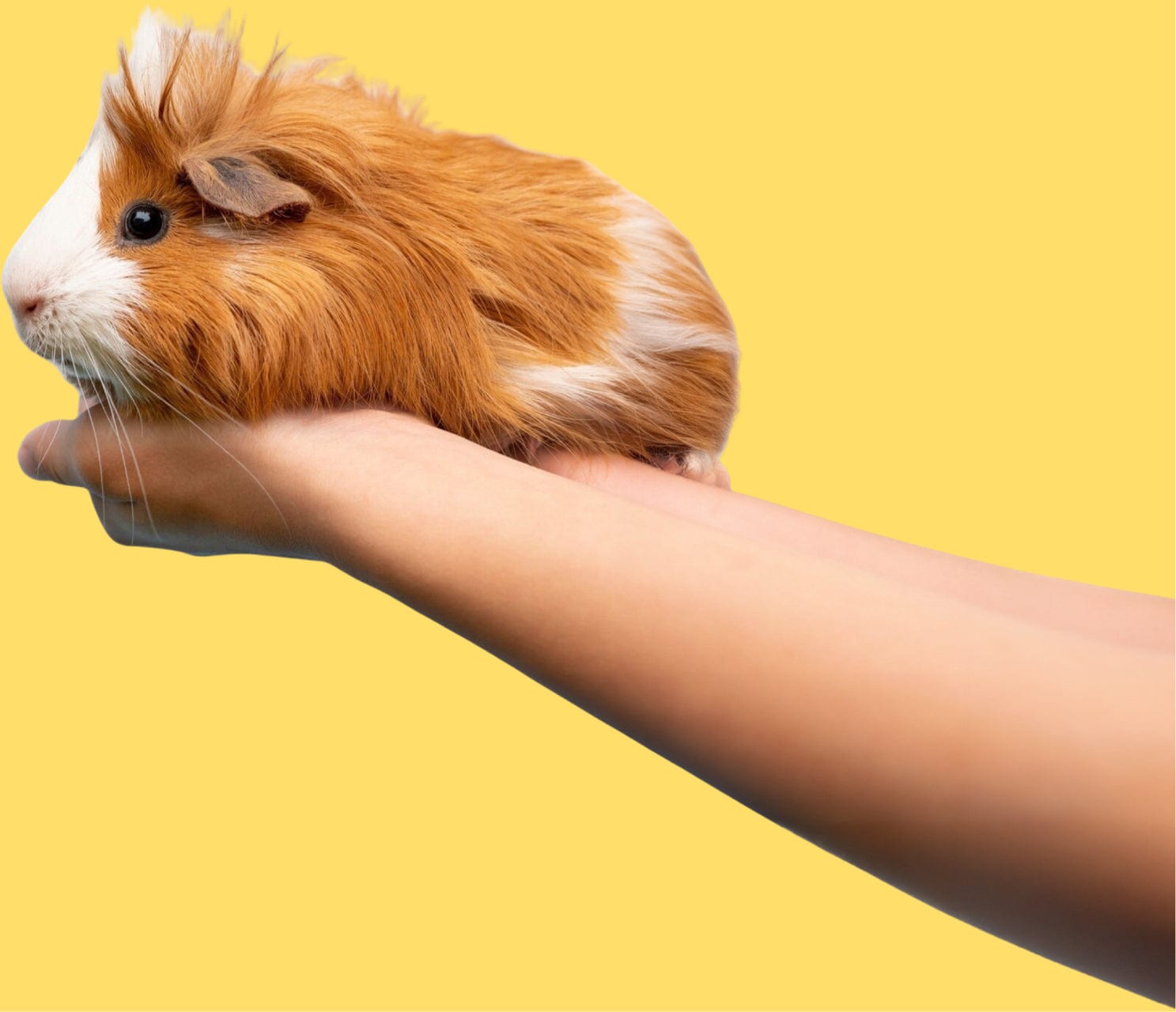
If your small pets had smartphones, you’d wake up to a long string of texts about their diet and strict bathroom rules. They might look easygoing, but they have specific needs.
Many pet parents also wish their furry friends could just whisper when something hurts. Prey creatures like rabbits are hard-wired to hide their illnesses rather than ask for help; a survival trait passed down by their ancestors.
If your small pets could talk, here are 50 things they'd share to stay safe, healthy, and happy.

Diet
For piggies, bunnies, and chinchillas, digestion is life itself. Poor digestion can quickly lead to serious health problems. Here are what your pets wish you knew about their daily menu:
Hay and pellets
1. Hay is 80% of our entire existence
High-quality fibrous hay should make up the majority of the diet for rabbits, guinea pigs, and chinchillas. If not, you’ll have to grapple with gut stasis.
Your small pets need to have 1st Timothy Hay Cutting, 2nd Cutting, or 3rd Timothy Hay Cutting continuously in their bowls. You can mix them with Oat Hay or Orchard Hay.
If you aren't sure whether your babies like their hay super-soft, crunchy with seed heads, or leafier, try a Sampler Hay Box first.

2. Constant chewing keeps our teeth down
Healthy digestion won't solve everything on its own. Your pets need something to chew on constantly to grind down their ever-growing teeth, and hay happens to be one of the best tools for the job.
When they keep at it, you help lower the risk of severe dental problems, overgrown molars, and painful cheek ulcers.
3. Crisp, fresh hay feels heavenly
Quality matters just as much as quantity. Dusty, brown, or moldy hay is unpalatable and can cause serious upper respiratory infections. Always supply fresh, sweet-smelling hay, such as Timothy Hay or Orchard Hay.
4. Pellets are supplements, not a buffet party
While your little ones will gladly gobble up an overflowing bowl of pellets, they are meant to be served as occasional supplements; they aren't the main course.
Overfeeding your small pet with Pellets can lead to severe weight gain and slow down digestion, making them struggle to eat their essential hay.
You’ll want to check with an exotic veterinarian for the appropriate daily quantities of Timothy-based Pellets. Specific amounts usually depend on the type and individual pet's needs.
5. Muesli mixes? We’ll pick out our favorites, thanks
If you pick up a product just because it's packed with colorful bits, seeds, nuts, dried corn, and other distractions, you just signed up for selective eating. Those smarties will pick out the high-fat, sugary pieces.
6. Just pellets, please
Choose plain, uniform pellets so you don't have to worry about them leaving out the bits that provide essential nutrients.
Fresh produce
7. Watery foods can throw a chinchilla's gut off balance
Fresh foods offer great mental enrichment, but improper offerings can trigger severe health crises. Chinchillas have sensitive digestive systems, and fresh foods should be strictly limited and not become a major part of the diet.
Discuss with Chins veterinarian before cautiously introducing new foods. Current veterinary guidance is mixed: MSD and VCA both allow very small amounts of fresh greens or fruit, while MSD notes that inappropriate fresh greens can contribute to diarrhea.
Also, dried fruits aren’t automatically safer; some advise against dehydrated fruits/vegetables, which can cause digestive disturbances.

8. Our pouches could be impacted
Have you noticed that your hamsters get really uncomfortable with soft, sticky, or sugary foods like banana slices? They can become stuck, and impacted pouches can lead to inflammation or abscesses.
9. We don't do iceberg lettuce
When serving fresh vegetables to rabbits and guinea pigs, skip the iceberg lettuce. Iceberg offers zero nutritional value and acts as a laxative, causing stomach upset. Instead, you can try nutrient-dense dark leafy greens like dandelion greens, parsley, cilantro, or romaine in controlled portions.
Water and treats
10. Hydration keeps our little bodies running smoothly
Your hammies, bunnies, and other tiny roommates need constant access to fresh, clean water. Proper hydration supports healthy digestion, circulation, kidney function, and temperature regulation, making it an essential part of their everyday health.
11. Water bottle clogs are our worst nightmares
If you use gravity ball-valve bottles for water, inspect them daily. These metal spouts frequently clog or leak, leaving them completely without water or soaking their bedding. It’s best to include a water bowl in the area as well, especially for rabbits, to help them drink in a comfortable, natural posture.
12. Some treats aren’t particularly great for our system
Pets love munching on treats and will happily tempt you to hand them over, but sugary treats like yogurt drops and seed-honey bars aren't good for their bodies. Instead, reward your little ones with safe, natural alternatives.
You can sprinkle dried botanicals like Gourmet Blend and Linden over hay for your guinea pigs, hamsters, and bunnies. Many bunnies also enjoy eating Pea Flakes, and you can toss some Timothy Hay Cubes to your chinchillas for a healthy crunch.
Housing and Environment
When designing a living space for your little bundles of joy, traditional small cages don't cut it. Your pets need an environment where they can stretch out, run, play, and forage freely.

Enclosure size
13. Don't imprison us, please
Many commercial enclosures are drastically undersized, trapping active pets in cramped conditions that can trigger stress, depression, and overall health complications. Comfort comes first.
You should always go beyond the smallest recommended dimensions to provide ample room for natural foraging behaviors and to run around freely.
14. Hamsters need unbroken floor space, not plastic towers
Contrary to popular belief, hamsters are ground-dwelling burrowers with poor depth perception; they are not vertical climbers. Colorful plastic cages with vertical tube networks are dangerous, poorly ventilated, and far too cramped.
What your pocket-sized pals truly require is floor space of at least 775 to 1,000 square inches, allowing them to run freely, with soft bedding piled high for deep burrows.
15. We want some space for hops and binkies
At minimum, your rabbit's enclosure should provide enough room to run, explore, stretch out fully, and stand upright without its ears touching the roof.
A spacious exercise pen or rabbit-proofed room can help meet these needs, providing space for running and the joyful twisting jumps known as binkies. The more space you can offer, the better.
16. Multi-level vertical range for chinchillas
A flat, single-level box restricts chinchillas’ natural instinct to leap. Chinchillas need plenty of vertical space to climb and jump. Equip their enclosure with secure ledges, ramps, and platforms made from chinchilla-safe, untreated wood, arranged to encourage exploring while preventing long falls.

Bedding and air quality
17. Our little noses need safe bedding, too!
Cedar and pine shavings that haven’t been kiln-dried can be harmful to your little companions because they release aromatic compounds, including phenols. Repeated exposure in close quarters can irritate the respiratory system. These compounds can also alter liver enzyme activity over time, potentially affecting how certain medications are processed.
Stick to dust-free, unscented, paper-based bedding, floral bedding, or kiln-dried options, depending on what works best for the specific pet. Some bedding options are also better at helping to mask unpleasant odors. Try Marigold White Paper Bedding, Aspen Shavings, or a Floral Bedding Bundle.
18. Hamsters like paper-based bedding for burrowing
In the wild, hamsters build intricate underground tunnel systems to regulate temperature and store forage. Scattering a mere inch of bedding over a hard plastic floor deprives them of the opportunity to engage in this behavior.
To keep them mentally healthy, it’s recommended to supply at least 8 to 12 inches of compressed Soft Brown Paper Bedding mixed with a handful of hay. Hay acts like rebar, holding the paper tunnel structures intact so their hard work doesn't collapse.
19. Can you not water-bathe us?
Chinchillas treat dust baths like the highlight of their week. To keep your chin happy and clean, give it a dedicated bath in fine volcanic ash, then roll it around a few times a week to strip away excess oil.
Whatever you do, avoid bathing them in water. Their fur is exceptionally dense, boasting up to 80 hairs per single follicle, which means water gets trapped right against their skin, creating the perfect environment for painful fungal infection.
Temperature and hidden hazards
20. Please, don't shorten our lifespan with heatstroke
Small pets have thick coats and can't sweat to cool themselves. Temperatures exceeding 75°F (24°C) can rapidly trigger fatal heatstroke. Keep their living quarters in a climate-controlled room away from direct sunlight, drafts, and heating vents during the coldest months.
On warm days, provide ceramic tiles or ice bottles wrapped in towels to help them stay cool.
21. Those wires look tempting, but we’d rather not get electrocuted
Before letting your rabbits roam, enclose all exposed wiring in Heavy-Duty Cord Covers or hide cables behind solid furniture barriers. Bunnies are notorious for nibbling on electrical wires. Unprotected cords pose a risk of electrocution and burns.
22. We’re small pets, not ice cubes
Small pets struggle when room temperatures drop below the ideal range. Cold environments cause their body temperature to plummet, which can trigger a life-threatening state called torpor, where they appear cold, limp, and barely breathing. Keep their room warm and draft-free to prevent a sudden medical crisis.
Although there’s no universal range, Merck Veterinary Manual suggests room temperature between 64–79°F (18–26°C) for hamsters, so room temperature below these figures may not be appropriate. For guinea pigs, anything below 65–75°F (18–24°C) isn’t recommended. Always check with your veterinarian.
23. Bar chewing is a cry for help
If you see your hamster, guinea pig, or rabbit relentlessly gnawing on cage bars, don’t assume they are just trying to wear down their teeth. Bar chewing, mesh pulling, and obsessive corner digging are usually caused by boredom.
Try expanding their living space and keep them busy with enrichment toys like Seagrass Mat, Oat Fidget Sticks, Buckwheat Chain, and Willow Ball now and then.
Activity Routine and Body Languages

Your pets might not be able to speak in your language, but they are far more expressive than you may think. What can look like bizarre behavior is usually their unique way of expressing happiness, annoyance, or sass. Here are cues they hope you could pick up on quickly:
Sleep and daily rhythms
24. “Yank us out of sleep and see our feisty side.” Says the hamsters
Pulling your hammies out of deep sleep at noon for cuddles or social media photos spikes their cortisol levels, triggering intense stress. They’re hardwired to wake up when the sun goes down.
Wait until late evening to interact with them. Constantly disrupting their natural sleep cycle can lead to undue stress and even defensive nips.
25. Rabbits and guinea pigs are crepuscular
If your bunnies or piggies go wild at 6:00 AM or start zooming around at dusk, they aren't trying to disrupt your sleep. As a prey species, they have energy peaks at dawn and twilight, when predators are least active. They’ll gladly accept meals around these twilight hours. You can tidy up their enclosures around this time as well.
26. We need those solid-running surface wheels for sports
Running on a wheel is a biological necessity for hamsters, but the wrong option can cause injuries. With wire-based or mesh wheels, they're prone to foot sores like bumblefoot. Dwarf hamsters need at least an 8- to 10-inch wheel, whereas Syrian hamsters require an 11- to 12-inch smooth, solid-surface wheel like a Niteangel or Silent Runner.

Happy behaviors
27. We binky and zoom to show how happy we could get
When your rabbit suddenly bolts across the carpet, flings itself into the air, and twists its head and back legs mid-flight, don't panic; it isn't a seizure. This is called a binky. Zoomies are an extended version: rapid laps across the floor followed by a flopped rest. It means your bunny feels safe and content.
28. We don't wheek for nothing
The moment guinea pigs hear the crinkle of a plastic bag, a cutting board tapping, or the refrigerator door opening, they're demanding their share of treats with a loud wheek-wheek-wheek. They aren't shy about asking for their portion.
29. Drunk with excitement? That happens too
Younger guinea pigs frequently shoot straight up into the air, twitching their whole body before landing on all four paws, looking like a kernel of corn popping in hot oil. This abrupt jerk-jumping (popcorning) means your pals are bursting with excitement over fresh bedding, delicious food, or playtime.
Stress and fear
30. We get scared too
When frightened or startled, indoor bunnies stomp their hind legs to create a sudden, heavy thud to draw your attention. The culprit can be an unfamiliar noise or presence. They also stomp when they're mad at you after a nail trim.
31. Back away while you can
A chinchilla or bun who feels startled or irritated will usually emit a sudden, rapid spitting sound. Treat this as a warning to give them some space. Pressing forward despite this warning usually leads to a face full of defensive urine spray or a painful bite.
32. Yes, we eat our poop, and it's healthy
It may look gross, but watching a rabbit, guinea pig, or chinchilla eat soft droppings straight from their rear end is normal. Known as cecotropes, these nutrient-packed morsels deliver essential B and K vitamins, amino acids, and healthy bacteria that couldn't be absorbed the first time through.
33. Hands off our secret hamster food stashes now
Clearing out a hamster’s carefully hidden hoard during routine cage cleanings may cause stress. Spot-clean soiled bedding regularly, with more thorough cleaning as needed. Leave clean, dry food caches in place, but remove anything damp, spoiled, or perishable.
If a stash needs to be removed, you can replace it with a small amount of fresh, dry food in the same spot.
34. Train us to use litter boxes (We’re smart)
You can easily litter-train bunnies by placing a low-sided box filled with Hemp or a Pine Litter in their favorite corner. Since rabbits love to munch while taking care of business, topping the box with fresh Timothy hay gives them a great incentive to use it.
35. This is our hood, and we’ll mark it with our scent
Bunnies possess specialized scent glands right under their chins. When they rub their chin against your legs, shoes, or food bowls,or their favorite toy, they leave behind an odorless marker claiming those items as their personal property.
Hamsters accomplish the same goal using flank or belly glands, rubbing against cage surfaces to map out their home territory.
Social Life and Building Trust
Small pets like rabbits and guinea pigs are cautious and easily startled. Building a bond with them takes patience, gentle handling, and respect for their unique social needs.

Handling and trust
36. Please keep your hands out of our airspace
A large hand swooping down from above triggers the survival reflexes in small pets. Always keep your hands low, approach slowly from the side at eye level, and speak in calm, soft tones so they see you coming.
37. Our back legs have opinions; hold us properly
Whenever you pick up a rabbit, cradle its rear end securely against your chest. Bunnies possess incredibly powerful hind legs paired with lightweight, delicate bones; if they panic and kick wildly in mid-air without support under their bottom, the sudden force can snap their own spine.
38. Our tails and furs aren't handles
Grabbing a small pet's tail or tugging their coat can trigger an emergency defense mechanism known as fur slip. To pick them up safely, scoop them under the chest and hindquarters with both hands.
39. Stop chasing us; we don't play tags
Cornering and chasing small pets around their safe space may cause psychological stress. Instead, place your hand flat inside the enclosure with treats, such as Country Loops or Timothy Hay Cubes, and let them come over to investigate on their own terms.
40. Get down to our level; we’ll take it from there
Sit or lie flat on the floor during floor time, letting your pets climb over you without forcing interaction. Being down on their level removes fear and shows them you are a safe companion.

Friends or Lone wolves?
41. Piggy friends? We’re so into that
In some countries, keeping a single guinea pig is legally considered cruelty. Cavies thrive on companionship with members of their own species. To keep them happy, house them in bonded, same-sex pairs or neutered groups.
42. We aren't looking for hammie roommates
Adult Syrian hamsters are fierce and territorial. Once they reach six to eight weeks of age, they need to live alone in their own dedicated enclosure. Housing two adult Syrians together almost always results in bloody fights.
43. Fix us first. Then we'll talk about bunny bonding
Rabbits benefit from companionship, but introducing two unfamiliar buns takes care. Hormones and territorial behavior can increase the risk of fighting, especially if they haven’t been spayed or neutered. Both rabbits should be neutered before bonding, with time to recover and for hormonal behavior to settle.
Follow your vet’s advice on timing, then introduce them gradually in a neutral space under close supervision.
44. Dwarf hamster groups? Better have a backup plan
If you decide to keep dwarf hamsters together, keep a fully equipped spare cage on hand just in case. While species like Campbell's or Winter Whites can sometimes live peacefully in sibling pairs, squabbles over food, wheels, or space can break out out of nowhere.
Health
Most small pets instinctively hide pain so they don't look vulnerable to predators. Paying attention to subtle daily shifts is a great way to keep them healthy.
Early warning signs
45. We fake it until we can't
Don't wait for more noticeable signs; subtle behavioral shifts are your earliest warning signs. A hamster or chinchilla that acts unusually quiet, sits hunched in a corner, or refuses to leave its hideout is trying to tell you something is wrong.
46. Not eating? Don’t wait to get help
If your bunny or piggy stops eating or producing droppings, contact a veterinarian immediately. Even eating less or passing fewer, smaller droppings deserves prompt attention. They need regular food intake and plenty of fiber to support healthy digestion.
Sudden loss of appetite may signal gastrointestinal (GI) stasis or another serious problem that requires urgent veterinary attention.
Medical red flags
47. We need a vet who speaks our language
Find an accredited exotic-pet veterinarian before an emergency occurs. Standard cat and dog vets often lack training in the anatomy and anesthesia of small herbivores. In fact, certain common dog medications can destroy the delicate gut bacteria of rabbits and hamsters.
48. We shouldn’t be drooling
Drooling or a persistently wet chin can indicate dental or mouth problems, and normal-looking front teeth don’t rule out problems with the back teeth. Difficulty chewing, dropping food, and weight loss are also warning signs.
49. Please check our droppings regularly
Monitoring droppings is a useful way to spot changes in digestive health. Get familiar with your pet’s normal dropping size, shape, consistency, and quantity, since these vary by species. Smaller, misshapen, unusually soft, or fewer droppings can indicate a problem and warrant veterinary advice.
If your pet stops producing droppings, seek urgent veterinary care, especially if they’re also eating less or showing signs of pain.

50. Why spaying is essential for us female buns
As female rabbits age, unspayed buns face up to an 80% risk of developing uterine cancer past three years of age. Scheduling a spay procedure between six months and two years of age is one of the best ways to safeguard your rabbit's health and ease territorial instincts.
Conclusion: Listen to Our Quirky Cues
Paying attention to your pet's body language and eating habits gives you a front-row seat to their well-being. When you cover the basics like good hay, a clean, expansive space, and respect their social quirks, you give them the best chance at a long, happy life.
Earning a small pet’s trust takes patience and gentle, consistent care. Let them approach on their own terms, make room for their natural behaviors, and learn what’s normal for them so you can spot when something changes. Those little everyday moments help build a bond that makes them feel safe and understood.