On a warm afternoon, dinner can look a little different. A rabbit who normally settles into hay with no fuss may sniff, pause, wander off, and then suddenly come back with real interest the moment something fragrant appears. I know why that shift gets your attention in summer. It feels small, but when temperatures start climbing, even subtle appetite changes can leave you wondering whether you are seeing ordinary warm-weather pickiness or the start of something more serious.
The short answer is yes: rabbits can have certain herbal blends in summer, but only as a small supplement to a hay-first diet. The goal is not to swap out the basics or turn herbs into a free-for-all snack. It is to use simple, rabbit-safe herbs thoughtfully, keep unlimited hay and fresh water at the center, and pay close attention to whether your rabbit is still eating, drinking, and producing normal droppings.
Summer Feeding Support
Keep hay first with rabbit-friendly essentials
If you’re adding herbs in warm weather, pair them with quality hay and simple, small-pet-focused nutrition. Small Pet Select makes it easy to build a routine that supports healthy chewing, digestion, and steady summer eating habits.
Explore Rabbit EssentialsWhen the weather gets hotter, it is common for rabbit owners to become extra alert to changes in eating habits, and that instinct is a good one. A rabbit may seem a little less enthusiastic at mealtime in warm weather, but hay should still remain the foundation of the diet. Fragrant herbs can gently encourage interest, yet they should support hay intake rather than replace it.
- Herbal blends can be helpful in summer if they are made with simple, identifiable rabbit-safe herbs.
- Unlimited hay and fresh water still matter more than any herb mix.
- Start small and introduce anything new slowly to protect digestion.
- If your rabbit will eat herbs but is backing off hay, that is a sign to pay closer attention.
- Lethargy, reduced droppings, major drinking changes, or ongoing refusal to eat call for a rabbit-savvy vet.
In summer, I think of herbal blends as a gentle adjustment, not a new feeding system. Rabbits do not need a dramatic seasonal menu, but warm weather can make them seem less eager about their usual routine. A small amount of aromatic, rabbit-safe herbs may help renew interest in eating and add variety without derailing the diet, especially if the blend is designed to work alongside hay instead of competing with it.
That distinction matters. Rabbits have delicate digestive systems, and a healthy feeding plan still revolves around long-strand fiber from hay. Herbs can be useful because they are fragrant and appealing, but they are not a substitute for the chewing time, fiber, and gut support that hay provides. If a blend starts acting like the main event in the bowl, the routine has drifted off course.
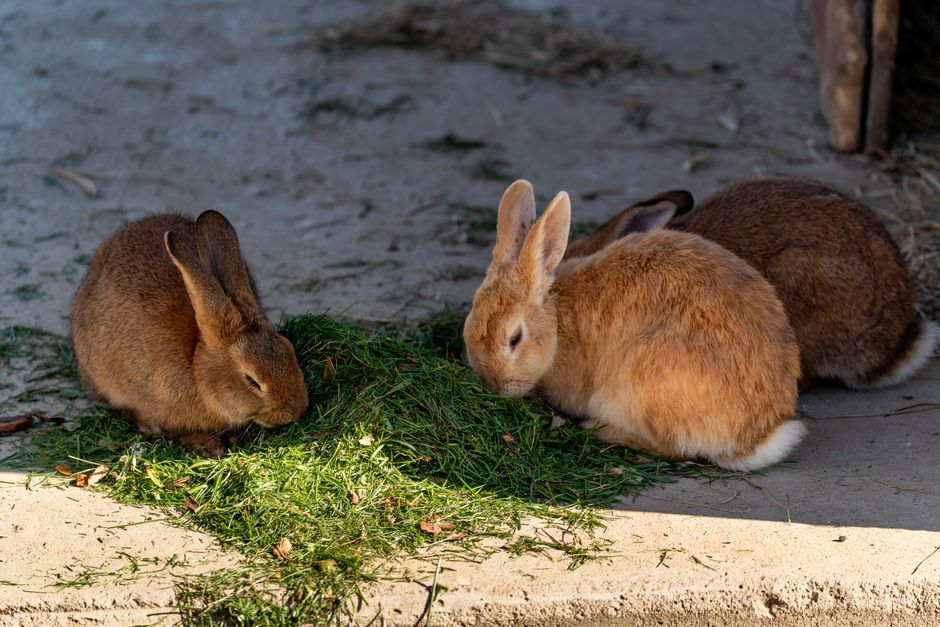
This is why I prefer a simple approach: use herbs as a modest topper, side offering, or occasional feeding accent while keeping the bulk of your rabbit’s eating focused on quality hay. If you already rely on dependable staples from a small-pet specialist, summer becomes less about scrambling for fixes and more about making calm, safe adjustments.
Why summer can change your rabbit’s appetite
Heat changes behavior in subtle ways. A rabbit may lounge more, move less during the warmest part of the day, or approach meals with less urgency than usual. That does not automatically mean something is wrong, but it does mean feeding patterns deserve more attention than they might in cooler months.
Aromatic herbs can help because scent often grabs a rabbit’s attention when plain hay feels less exciting in a warm room. That can make herbs useful as an appetite prompt. Still, they do not solve the whole problem on their own. If your rabbit is too warm, not drinking enough, stressed, or beginning to feel unwell, a tasty herb blend may only mask the bigger concern for a short time.
The safest mindset is to treat herbs as support for comfort and interest, not as proof that everything is fine. A rabbit who eagerly nibbles a few herbs but steadily eats hay, drinks, and leaves healthy droppings is different from a rabbit who only picks at the fragrant bits and starts ignoring the essentials.
What to look for in a safe summer blend
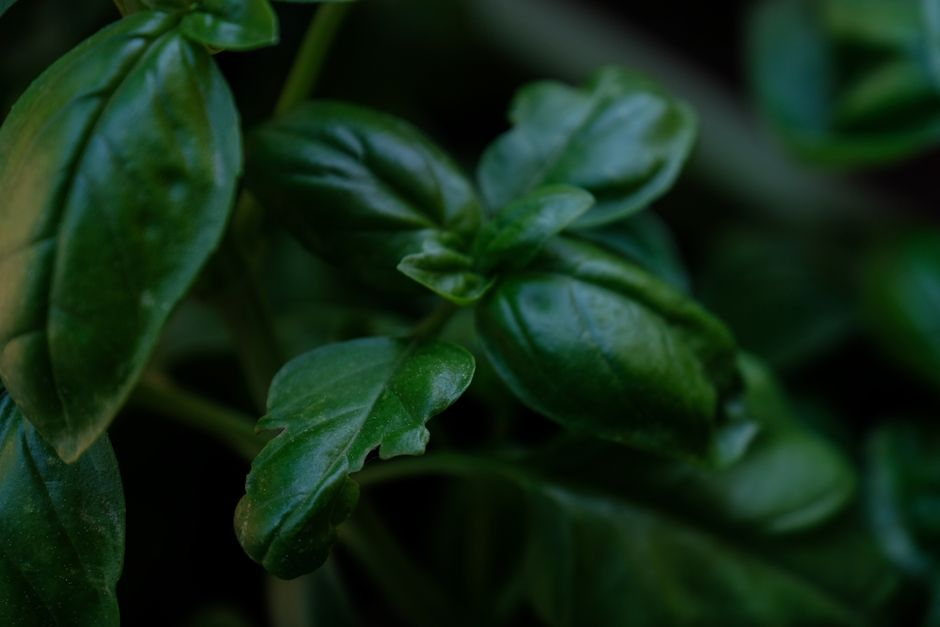
If you are choosing an herbal blend for summer, ingredient clarity matters more than marketing language. I would rather see a short, recognizable ingredient list than vague claims about being natural or wholesome. Rabbit-safe herbs commonly offered in feeding guidance include fragrant options such as basil, mint, parsley, dill, and thyme, all of which can make a blend more appealing without pushing it into sugary-treat territory.
- Look for identifiable herbs such as basil, mint, parsley, dill, or thyme.
- Choose blends that are clearly meant to complement hay, not replace daily staples.
- Avoid products with vague ingredient labeling or unnecessary fillers.
- Be cautious with anything that feels treat-heavy, overly sweet, or built around novelty rather than diet fit.
- Skip abrupt seasonal experiments with lots of new ingredients at once.
A good blend should feel straightforward, fresh-smelling, and easy to use in tiny amounts. That is one reason many rabbit owners prefer shopping with a specialist brand like Small Pet Select: the whole experience is centered on small-pet needs, not generic pet trends, and it is easier to keep hay compatibility front and center.
How I would introduce herbs without upsetting digestion
Slow is the rule. Even if an herb is generally considered rabbit-safe, summer is not the time to dump a generous handful into the feeding area and hope for the best. I would begin with a very small amount alongside your rabbit’s normal hay and regular routine. That way, you can see whether your rabbit shows interest without confusing preference with tolerance.
Over the next several days, watch the basics: hay intake, water drinking, droppings, energy, and overall eagerness to eat. If droppings stay normal and your rabbit continues eating hay well, you can keep the herb portion modestly in rotation. If stool changes, hay interest dips, or your rabbit seems off, pull back and reassess.
Fresh water is especially important here. Summer support is never just about flavor. It is about maintaining the whole routine around hydration, fiber, and digestive stability. Pairing a small herb offering with high-quality hay from a reliable rabbit hay source keeps the feeding plan anchored where it should be.
When your rabbit wants the herbs but not the hay
This is one of the most common warm-weather problems: the rabbit who perks up for fragrant extras but seems less excited about the boring part of the meal. If that happens, I would resist the urge to keep adding more tempting foods just to see something get eaten. That can turn a mild seasonal wobble into a real digestive risk.
Instead, pull the focus back to hay quality, freshness, and access. Make sure hay is plentiful, clean, and appealing, and offer herbs in a way that points your rabbit back toward the hay rather than away from it. A small pinch mixed near the hay pile or offered as a light topper works better than presenting herbs as a separate jackpot.
If your rabbit continues nibbling herbs but is consistently reducing hay intake, treat that as useful information, not a quirk to indulge. A picky rabbit in hot weather still needs fiber, and a pattern of eating around hay deserves close monitoring. This is where a simple routine built around trusted essentials, whether that means a fresh hay refresh or easy restocking through Autoship, can make summer management much easier.
Easy mistakes that can backfire in hot weather
The most common mistake is trying to help too enthusiastically. When a rabbit seems less interested in food, owners often respond by offering more treats, more variety, or sudden swaps in greens and toppers. The intention is loving. The result can be digestive instability.
Another mistake is assuming that anything labeled natural must be safe. Rabbits do well with simple, appropriate plant ingredients, but not every blend marketed with wholesome language is suitable for routine feeding. Ingredient transparency matters, and so does proportion. Even safe herbs can become unhelpful if they start displacing hay.
I also see owners mistake interest for recovery. A rabbit that runs over for a fragrant herb blend may still be eating less overall than normal. The right question is not just, “Will my rabbit take this?” It is, “Is my rabbit still eating enough hay, drinking normally, and acting like themselves?” That broader view protects your rabbit far better than chasing a quick win.
When summer appetite changes are no longer just summer
Warm weather can make small changes feel more urgent because sometimes they are. If your rabbit is eating markedly less, producing fewer or smaller droppings, acting lethargic, hiding more than usual, or showing noticeable changes in drinking, do not assume herbs will smooth it over. Those can be signs of heat stress, pain, gastrointestinal slowdown, or another health problem that needs prompt attention.
A rabbit who refuses hay, stops eating normal foods, or seems weak should not be managed with home feeding tweaks alone. Summer can blur the line between “a little off” and “not okay,” so if your instincts tell you this is more than fussiness, trust that signal and contact a rabbit-savvy veterinarian.
FAQ
Are dried herbs okay, or do rabbits need fresh herbs in summer?
Dried herbs can be a practical option as long as they are rabbit-safe and used in small amounts. Fresh herbs may seem especially appealing in warm weather, but whichever form you choose, the same rule applies: they are a supplement to hay, not a replacement for it.
How often can I offer an herbal blend?
That depends on the blend, your rabbit’s diet, and how your rabbit responds, which is why moderation matters. I would keep offerings small and consistent rather than frequent and generous, especially when first introducing a summer routine.
Can herbs help with hydration?
Herbs may encourage interest in eating, but they are not a hydration strategy by themselves. Your rabbit still needs steady access to fresh, clean water, and any drinking changes in hot weather deserve attention.
Should I be extra careful with baby, senior, or medically complex rabbits?
Yes. Rabbits with sensitive digestion, advanced age, medical issues, or very young digestive systems deserve extra caution with any diet change. Keep introductions minimal and involve your rabbit-savvy vet when needed.
If you want a summer routine that stays simple, I would look for a hay-friendly herbal blend with clear ingredients, modest portions, and an obvious place within your rabbit’s normal feeding pattern. That kind of straightforward support fits best when it comes from a brand built around small-pet nutrition, whether you are refreshing your rabbit’s hay setup, adding a seasonal herb option, or stocking up on everyday care essentials through rabbit food and treat options designed for sensible feeding.
We are not veterinarians, and none of our information should be construed as veterinary advice. Before adding any new product, please consult your exotic veterinarian. If your pet is acting unwell and you have concerns for their well being, please contact your vet immediately.
Ready to refresh your rabbit’s summer routine?
Shop premium hay, rabbit-safe foods, and convenient restocking options from Small Pet Select so you can keep fragrant toppers in perspective and the essentials fully stocked.
Shop Now