Your rabbit noses past the hay, dives into the pellet bowl, and suddenly becomes a tiny acrobat the second a carrot appears. It looks cute in the moment, but it also leaves a lot of owners wondering if they’re being kind or slowly building a daily feeding problem.
We see this confusion all the time. The bowl gets treated like the main event, treats start feeling like a love language, and hay ends up sitting off to the side like an optional extra. For rabbits, that order is backward. When I want feeding to feel simpler and healthier, I come back to one basic system: some foods should always be available, some should be measured on purpose, and some should stay truly occasional.
Make the healthy choice easier with fresh rabbit hay
If you want your bunny to eat more hay and rely less on pellets and treats, quality and freshness matter. Start with premium hay that stays appealing day after day.
Shop Fresh HayIf there’s one reset that makes rabbit feeding easier, it’s this: hay comes first. Not as decoration, not as backup, and not as something to top off once a day if the pile looks low. Hay is the steady, everyday food that should shape the whole routine, while pellets, greens, and treats play much smaller roles.
That matters because many feeding problems start with good intentions. Owners want to make sure their bunny is eating enough, so they offer more pellets. They want to be generous, so they add frequent sweet extras. They notice hay being ignored, so they try to “make up for it” with foods the rabbit finds more exciting. The result is often a rabbit that becomes even more selective and even less interested in hay.
I find it much easier to think in three buckets: always unlimited, carefully measured, and only occasional. Once that framework is in place, daily feeding stops feeling like guesswork and starts feeling like a routine you can actually maintain.
What should always be available
For a healthy adult rabbit, the biggest daily priority is unlimited grass hay along with fresh, clean water. “Unlimited” doesn’t just mean putting out a large amount in the morning and hoping it lasts. It means your rabbit should be able to reach appealing hay throughout the day, with stale or trampled hay replaced often enough that the good option is always right there.
Freshness makes a bigger difference than many people expect. Rabbits are often picky in very practical ways: if hay smells flat, feels dusty, or has been sat on in a litter area for too long, they may start sorting through it instead of really eating it. That can look like stubbornness, but often it’s a setup issue. I’d much rather make hay easier to access, easier to refresh, and more inviting than assume the rabbit is just being difficult.
Placement helps too. Hay tends to get eaten best when it’s available where rabbits naturally spend time, especially near the litter area and in spots where they like to settle. A hay rack, manger, or generously filled feeder can reduce waste, but the goal isn’t neatness alone. The goal is keeping hay visible, reachable, and tempting enough that your rabbit grazes on it again and again all day long.
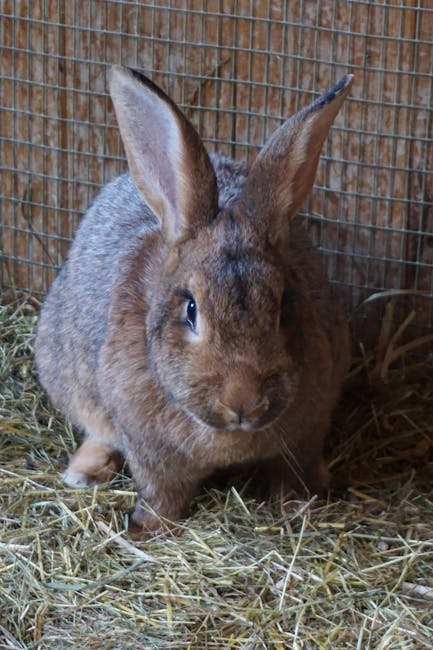
Water belongs in this same “always available” category. A clean bowl of fresh water should be part of the daily setup, checked and refreshed consistently. When hay and water are both easy to reach, you’re supporting the rhythm rabbits are built for: frequent nibbling, frequent drinking, and less dependence on richer foods.
What belongs in the daily routine, but only in measured amounts
Pellets and leafy greens can absolutely fit into a healthy rabbit routine. The problem is not that these foods exist. The problem is that they’re easy to overdo, especially when a rabbit gets visibly excited about them. Excitement is not the same thing as priority.
Pellets are often where overfeeding starts. Because they’re tidy, convenient, and enthusiastically accepted, they can become the default food in the owner’s mind. But when too much of the day’s interest is concentrated in the pellet bowl, hay can start losing ground. A rabbit who fills up on pellets has less reason to keep returning to hay, and then the owner sees less hay intake and worries something is wrong. In many homes, the fix is not more pellet encouragement. It’s a calmer, more intentional pellet routine.
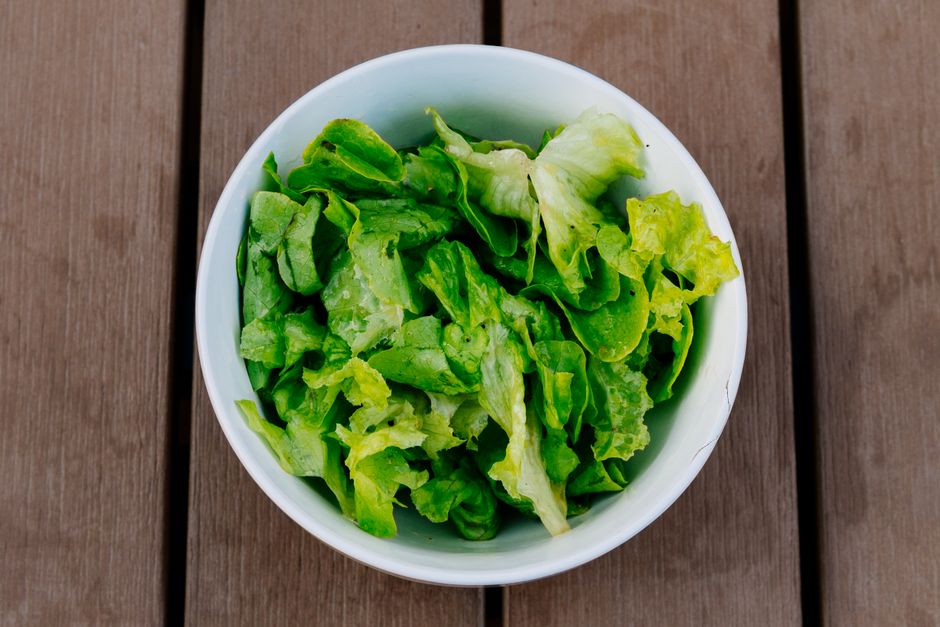
Leafy greens can also be part of everyday feeding when offered thoughtfully. I like to think of greens as a side dish, not the center of the plate. They add variety and enrichment, but they shouldn’t replace hay or become such a large portion of the routine that the rabbit starts holding out for the fresher, softer option. If your bunny rushes past hay every time greens arrive, that’s a sign to look at the overall balance, not just the ingredient itself.
The simplest rule here is to keep both pellets and greens purposeful. Offer them at predictable times, avoid the urge to keep topping them up, and notice whether they’re supporting the hay-first routine or competing with it.
What should stay occasional
Treats are where many well-meaning routines quietly drift off course. Carrots, fruit, and other sweet extras can seem harmless because they’re associated with rabbits in popular culture, and because a bunny who begs for them can be hard to resist. But foods that are sugary or especially exciting can quickly become the thing your rabbit starts waiting for.
That’s the trap: a treat may feel tiny to us, but it can still nudge a rabbit away from the boring-but-important food they should be eating most. If treats show up too often, rabbits can become more selective, less interested in hay, and more inclined to ignore their basics until something tastier appears.
I prefer to keep treats in the “special, not standard” category. If a food seems to create a lot of drama, anticipation, or bargaining behavior around mealtime, that’s usually a clue that it belongs farther from the center of the routine.
A simple rhythm to remember
- Morning: Refresh hay, replace water, and offer measured pellets or greens as your planned daily serving.
- Anytime: Make sure hay and water stay available, appealing, and easy to reach throughout the day.
- Occasional: Keep carrots, fruit, and other sweet extras truly limited so they don’t crowd out hay.
How I’d build this routine at home
If a rabbit is ignoring hay or acting overly focused on pellets, I don’t start by labeling that rabbit picky. I start by looking at the system. Is hay fresh enough to smell appealing? Is it offered where the rabbit actually wants to eat? Is the pellet bowl getting too much attention? Are treats showing up so often that hay can’t compete?
A good home routine usually looks simple from the outside: a reliable hay station, a predictable bowl routine, and fewer food surprises. That might mean using a hay rack near the litter box, keeping a second hay spot in a favorite hangout area, and refreshing smaller amounts more often instead of dropping in one giant pile that gets stale or scattered. It can also mean resisting the urge to refill pellets just because the bowl looks empty quickly.
For pellet-dependent rabbits, consistency matters more than drama. If the routine keeps signaling that hay is always available and pellets are a measured event rather than an all-day buffet, many rabbits gradually shift back toward better hay habits. The same goes for treat-heavy households. When sweet extras stop interrupting the day so often, hay has a chance to become the default again.
Reliable restocking matters here more than people think. It’s hard to build a hay-first routine if the hay on hand is old, less appealing, or running low before you remember to reorder. Keeping fresh, high-quality hay consistently stocked is often what makes the whole plan stick in real life. That’s one reason we care so much about freshness, small-batch quality, and easy replenishment options like Autoship: the healthiest routine is the one your household can repeat without scrambling.
Common questions rabbit owners ask
What if my rabbit seems to prefer pellets to hay?
That’s common, and it usually means the richer food has become too rewarding or too available. I’d look at freshness, hay placement, and whether pellets have become the main event. A hay-first setup with more intentional pellet timing often helps rabbits refocus on hay.
How often should I refresh hay?
Often enough that your rabbit keeps finding hay that smells and feels appealing. Unlimited hay does not mean letting the same stale layer sit indefinitely. Frequent refreshes usually work better than one large dump that gets ignored or soiled.
Can treats be part of a healthy rabbit routine?
Yes, but they should stay occasional. If treats are showing up daily in a way that changes your rabbit’s interest in hay or causes begging for sweet foods, they’re probably taking up too much space in the routine.
What if my rabbit is selective and wastes a lot of hay?
Some sorting is normal, but heavy waste can point to setup or quality issues. Try offering hay in cleaner, easier-to-reach stations and refreshing it more strategically. In many homes, fresher, more appealing hay and more consistent presentation make a noticeable difference.
Keep the healthy default easy
Rabbit feeding gets much less confusing when hay stops being the afterthought. If hay and water are always available, pellets and greens are handled on purpose, and treats stay occasional, the routine becomes easier for you and better for your bunny.
In the end, the best feeding plan is the one that makes the right choice the easy choice every day. Keeping fresh, appealing hay on hand consistently is what helps that happen, and it’s exactly why so many rabbit families do better when they rely on a specialty source built around quality, freshness, and dependable restocking.
We are not veterinarians, and none of our information should be construed as veterinary advice. Before adding any new product, please consult your exotic veterinarian. If your pet is acting unwell and you have concerns for their well being, please contact your vet immediately.
Keep fresh hay stocked so the routine actually sticks
A hay-first feeding plan works best when you always have fresh, appealing hay ready to refill. Small Pet Select makes it easier to stay consistent with premium small-batch hay and convenient restocking options for rabbit households.
Order Rabbit Hay Today