Dinner is over, the pellet bowl has been polished clean, the treat got the usual instant excitement, and the hay still looks mostly untouched. That is the moment a lot of rabbit owners realize this is not random anymore. I want to reassure you right away: in many cases, hay refusal is a feeding-pattern problem we can work back from with a gradual reset, not a sudden crackdown that risks upsetting your rabbit’s routine.
Hay needs to be the center of a healthy adult rabbit diet, but I do not like abrupt, all-at-once fixes for a rabbit who has already learned to wait for richer foods. If your bunny is eating pellets and treats enthusiastically while leaving hay behind, the safest next step is usually to slow down, look at what is reinforcing the pattern, and start rebuilding hay interest in the right order.
If your rabbit is ignoring stale or low-aroma hay, upgrading the quality of what is in the rack can be the simplest first fix. Explore fresh, hand-selected rabbit hay that helps make hay the obvious choice again.
Shop Fresh Rabbit HayA rabbit can seem to have a perfectly good appetite while a diet quietly drifts in the wrong direction. Pellets and treats are easy to eat, easy to get excited about, and easy for us to use out of habit. Hay takes more time, more chewing, and more steady interest. When a rabbit starts filling up on concentrated foods first, hay can slide into the background even though it should be the foundation.
That matters because hay is not just filler. It supports the long, repetitive chewing rabbits are built for, and it helps keep daily eating patterns anchored in forage rather than in the richest item available. A rabbit that is constantly holding out for the tastier option can end up in a loop where hay seems less and less appealing simply because something easier always arrives.
Most rabbits are not trying to be difficult. They are responding exactly the way many animals do when one food is more calorie-dense, more immediately rewarding, or more predictable than another. If pellets appear on schedule and treats show up whenever your rabbit acts especially cute or persistent, your bunny learns that waiting can pay off.
I also see hay refusal happen when the hay itself has lost some appeal. Hay that is stale, dusty, flattened, or low in aroma can be technically available without feeling inviting. Rabbits often notice freshness and texture differences faster than we do. If the hay smells tired and the pellets smell rich, your rabbit may simply keep choosing what seems most rewarding.
Setup friction plays a role too. If hay is tucked in an awkward rack, dropped in a place your rabbit rarely settles, or allowed to sit too long between refreshes, it becomes the least convenient part of the meal. Rabbits often prefer to nibble hay while resting, exploring, or using the litter box. When the setup ignores those habits, hay can lose out even if the diet plan looks fine on paper.
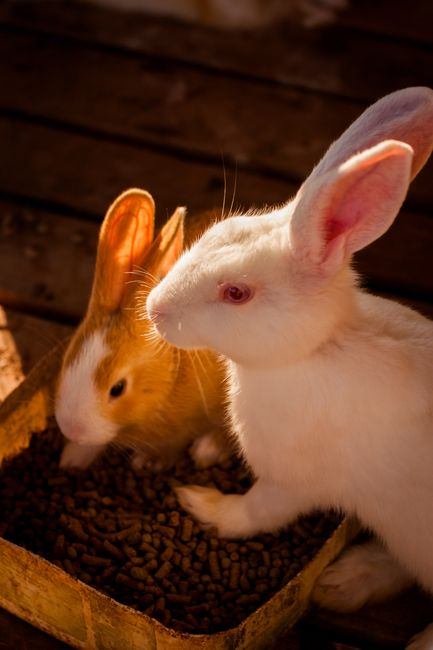
What is most likely driving your rabbit’s hay refusal?
Before changing anything, I would look at the pattern as a simple diagnosis problem. We are usually trying to sort the situation into one of four buckets: too many concentrated foods, low-appeal hay, an inconvenient feeding routine, or a possible appetite or health issue that needs veterinary attention.
When overfeeding is the main issue
If your rabbit races to pellets, begs for treats, and still seems bright and eager at mealtimes but leaves plenty of hay behind, concentrated foods may be doing too much of the dietary work. In that case, the rabbit is not refusing food overall. The rabbit is choosing the easiest, richest option first and never getting hungry enough to treat hay like the main course.
When the hay itself is the problem
If your rabbit used to eat hay better and then gradually lost interest, I would look hard at freshness, smell, texture, and consistency. Hay refusal often improves when the hay is greener, fresher, softer or coarser in a way that better matches the rabbit’s preferences, and replaced more often. This is one reason I put so much weight on dependable, fresh hay rather than whatever bag has been sitting around the longest.
When routine and placement are getting in the way
If hay is available but ignored until you scatter some by hand, move it near the litter box, or refresh it, that points toward presentation rather than pure pickiness. Some rabbits want multiple hay spots. Some do better when hay is loose and easy to pull from. Some need fresh handfuls added more than once a day so the top layer stays enticing.
When it may be more than pickiness
If your rabbit is eating less overall, acting uncomfortable, producing unusual droppings, seeming quieter than normal, or showing a sudden change in appetite rather than a long-running preference pattern, I would not treat that as a simple feeding-behavior issue. A rabbit-savvy vet should be involved if appetite drops, droppings change significantly, or your rabbit seems unwell.
The hay comeback plan
The goal this week is not to win a showdown. It is to make hay easier to choose, less easy to ignore, and more central again without creating a stressful, abrupt swing in the diet. Think gradual reset, not punishment.
Start by changing the order, not everything at once
First, make sure fresh hay is always available and noticeably refreshed, not just technically present. Then look at when pellets and treats are showing up. If your rabbit has learned that richer foods appear early and reliably, hay never gets a fair chance. I like to start by tightening the routine: hay first, pellets in a more measured way, treats reduced sharply or paused for a few days if they have become a daily expectation.
Reduce pellets gradually and watch the rabbit, not the clock
If pellets have become the main event, cut back cautiously rather than yanking them away. The exact pace depends on what your rabbit is currently eating, age, health history, and how dependent the routine has become, so I prefer a conservative approach. Reduce the pellet amount step by step over several days while keeping hay plentiful and refreshed. As you do that, watch whether hay interest rises and whether droppings, overall appetite, and energy stay normal.
What I would not do is create a dramatic standoff where the rabbit is suddenly denied familiar food with no transition support. The point is to shift preference back toward hay, not to force a hungry protest.
Pull treats out of the negotiation
Treats can undo progress fast because they teach a rabbit to keep waiting for something better. During a hay reset, it helps to stop using treats as a reward for begging, circling your feet, or ignoring hay. If treats have become frequent, scale them back hard. For some rabbits, a brief treat pause is the cleanest reset. That gives hay room to feel like food again instead of the thing that comes before food.
Make hay the easiest thing to nibble
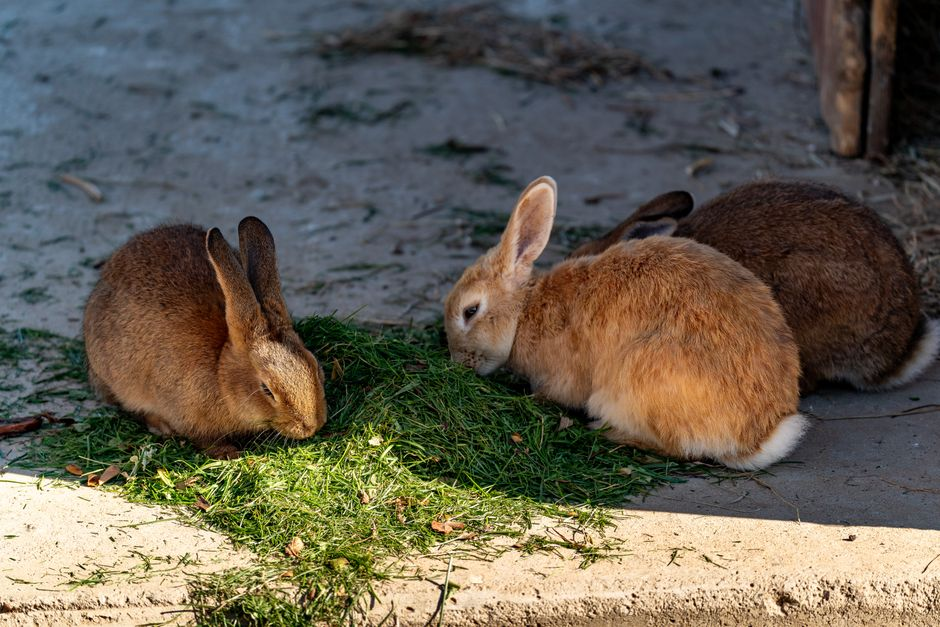
Refresh hay more often than you think you need to. Put it where your rabbit naturally settles. Add more than one hay station. Pair one with the litter area, since many rabbits like to eat and use the box in the same stretch of time. If your rabbit only shows interest in the freshest handful, that is useful information, not misbehavior. Use it. Smaller, fresher refills through the day often work better than one large pile left to go flat.
| Possible cause | What you may notice | What to change first | What to watch next |
|---|---|---|---|
| Too many pellets or treats | Strong excitement for rich foods, hay left behind | Gradually reduce concentrated foods and offer hay first | More steady hay nibbling, normal droppings and appetite |
| Stale or low-appeal hay | Sniffing hay and walking away, better interest after a fresh refill | Switch to fresher, more aromatic hay and refresh more often | Whether interest returns within a few days |
| Poor setup | Rabbit eats hay only in certain spots or when it is scattered nearby | Add stations and place hay where your rabbit already rests or uses the litter box | Longer, more natural hay-grazing sessions |
| Possible health concern | Less appetite overall, unusual droppings, discomfort, low energy | Pause the reset and contact a rabbit-savvy vet | Prompt evaluation rather than waiting for pickiness to pass |
The hay acceptance toolkit
Once you have started the reset, the fastest gains usually come from practical changes, not from trying to out-stubborn your rabbit. I think of this as the hay acceptance toolkit: freshness, texture, placement, refill timing, and consistency.
Freshness matters. Good hay should smell alive, not tired. Rabbits often respond to aroma before they respond to nutrition labels or our intentions. If your rabbit has been getting low-interest hay, moving to fresher hay can change the conversation quickly. This is where a specialist hay source can help, because consistency is a big part of preventing the same problem from creeping back in.
Texture matters too. Some rabbits prefer softer strands, some like a coarser feel, and some respond better when there is a little natural variation in the handful. If your rabbit noses through hay looking for only certain pieces, that tells me the sensory experience matters. Paying attention to that can make the reset much smoother.
Placement matters because rabbits are routine grazers. Hay stuffed in one neat location is not always enough. I like to see a primary hay area and at least one backup station, especially near litter habits. The easier it is for your rabbit to grab a mouthful while doing what rabbits naturally do, the less the diet depends on you creating a formal meal moment.
Refill cadence matters because top-layer freshness is often what gets a rabbit started. A rabbit who ignores an older pile and dives into a newly added handful is showing you exactly what to fix. Refresh smaller amounts more often so the hay keeps its scent and appeal.
Consistency matters most over time. When hay quality varies wildly or you run out and have to improvise, rabbits can slide right back toward pellet-first habits. That is one reason I like dependable restocking for hay households. With fresh hay for rabbits and a predictable supply routine, it becomes much easier to keep the hay-first pattern in place. If your rabbit is especially selective, exploring rabbit food and feeding essentials from a small-pet specialist can also make the reset feel less like guesswork and more like a supported routine.
When the plan stalls
If progress is slow, it usually comes back to one of a few mistakes. The biggest one is reducing hay frustration instead of reducing pellet convenience. Owners sometimes keep offering the same unappealing hay while hoping the rabbit will eventually give in. Another common mistake is leaving treats in the routine just often enough to keep the rabbit waiting for them. And sometimes the issue is simply that the hay is not being refreshed frequently enough to stay interesting.
- If hay intake is improving even a little, keep the reset steady instead of changing three more things at once.
- If your rabbit is eating less overall, not just less pellets, slow down and reassess immediately.
- If droppings become noticeably smaller, fewer, or abnormal, do not push through the plan as if it is ordinary pickiness.
- If your rabbit seems painful, withdrawn, bloated, or reluctant to eat, contact a rabbit-savvy vet right away.
I would also pause if the reset becomes a battle that makes you less able to tell what your rabbit is actually doing day to day. A good plan should make behavior clearer, not more chaotic. You are looking for gentle upward movement in hay interest, not overnight perfection.
Common questions during a hay reset
How fast should hay interest come back?
Some rabbits show more curiosity within a day or two once pellets and treats stop dominating the routine, especially if the hay is fresher and better placed. Others need a more patient week-one reset. I would judge progress by trend, not by one perfect meal.
Should I switch hay right away?
If the current hay seems stale, dusty, or consistently ignored, yes, improving hay quality early makes sense. I would rather solve the appeal problem than assume the rabbit is simply stubborn. A fresher, more inviting hay often gives the reset real traction.
Can I still give treats if my rabbit eats a little hay?
During the reset, I would be very careful. If treats are tied too closely to attention-seeking or selective eating, they keep the negotiation alive. It is usually better to let hay become normal again before bringing treats back in a limited, intentional way.
What if my rabbit eats hay only in the litter box?
That is actually useful. Many rabbits naturally like to eat there, so lean into it by keeping clean, appealing hay available in that area. You do not need hay to be eaten in a picturesque rack for it to count.
How do I keep this from happening again?
Keep the routine hay-first, stay disciplined about pellets and treats, and do not let hay quality drift. Reliable access to fresh hay is the simplest long-term protection. For many households, that means building a consistent restocking habit with options like Autoship, so you are not scrambling when supplies get low. If you need a better setup overall, I also like looking at practical rabbit supplies that support easier hay access and cleaner daily routines.
The real win here is not getting your rabbit to make one better choice tonight. It is rebuilding a home routine where fresh hay is always the obvious, rewarding default. That is how the comeback lasts.
We are not veterinarians, and none of our information should be construed as veterinary advice. Before adding any new product, please consult your exotic veterinarian. If your pet is acting unwell and you have concerns for their well being, please contact your vet immediately.
Once your bunny starts eating better, consistent restocking helps prevent a slide back to pellet-first habits. Stock up on premium hay, feeding essentials, and practical rabbit supplies from Small Pet Select.
Order Rabbit Essentials