Introduction to Small Animal Bedding Options
Choosing the right bedding for guinea pigs isn’t just about aesthetics - it directly affects cleanliness, respiratory health, odor, and how often you need to clean. Small animal bedding is any absorbent material placed in a pet’s habitat that provides comfort, manages moisture, and controls odors. With so many guinea pig bedding options, narrowing in on hemp, aspen, and paper pellets makes sense: they’re the most talked-about types of small animal bedding and often appear on lists for the best-rated guinea pig bedding. Below, we compare how each material performs in real homes, so you can match your pet’s needs (and your cleaning routine) with the bedding that truly wins for you.
The best seller: Soft Paper Bedding
Soft Paper Bedding is the go-to pick when you want a plush, cozy cage setup that also stays cleaner between full changes. It fluffs up into a soft layer that’s gentle on feet and great for nesting, while absorbing moisture quickly to help keep everyday odors under control (without added fragrances). It’s made from 100% virgin fiber (never recycled print) and is designed to be ultra low-dust, with no dyes, additives, or irritants...making it a strong option for guinea pigs with sensitive respiratory systems and for homes that want a cleaner, more comfortable habitat.

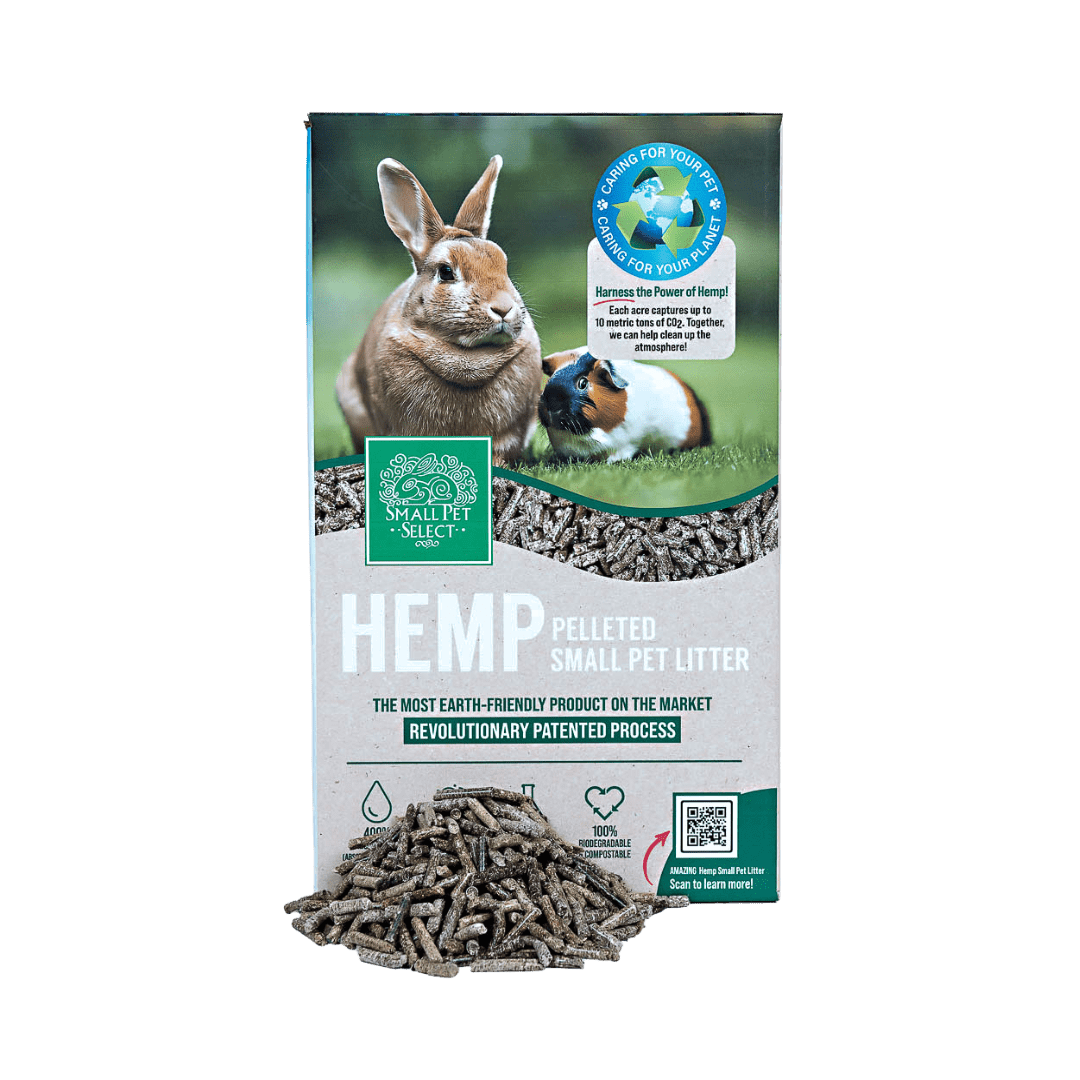
Hemp Bedding Features and Benefits
Hemp bedding is made from the inner core (hurd) of the hemp plant. It’s favored because it’s naturally low dust, 100% plant-based, and free from aromatic oils. In practice, hemp is ultra-absorbent and excels at odor control; the fibrous core locks in moisture while helping neutralize ammonia without added chemicals. That makes it a strong fit for pets with respiratory sensitivities and for homes that want fewer full cleanouts.
Sustainability adds to hemp’s appeal. It composts readily and tends to last longer between changes, leading to less volume used overall, often translating to better value per use. Many owners also appreciate the soft, natural texture that supports nesting and gentle digging. For a deeper look at hemp’s odor performance and longevity, see this overview of hemp bedding benefits from producers and users alike in Is hemp bedding worth the investment?

Aspen Bedding Features and Benefits
Aspen bedding is made from heat-treated aspen shavings. Unlike pine or cedar, aspen contains no harmful aromatic oils, making it a safer wood option for small pets’ sensitive respiratory systems. Veterinary guidance for guinea pig care consistently advises avoiding softwoods with aromatic oils and choosing safer alternatives like aspen when opting for wood shavings; see the Purdue University Veterinary Hospital’s care guidance for context Purdue Veterinary Hospital care guidance.
Aspen’s natural look is a plus, and it’s fully biodegradable and compostable. The tradeoff: aspen is less absorbent than hemp or pellets, so you’ll likely change it more often to keep odors down and feet dry. If you love a natural, classic habitat aesthetic and don’t mind more frequent refreshes, aspen can be a solid fit.
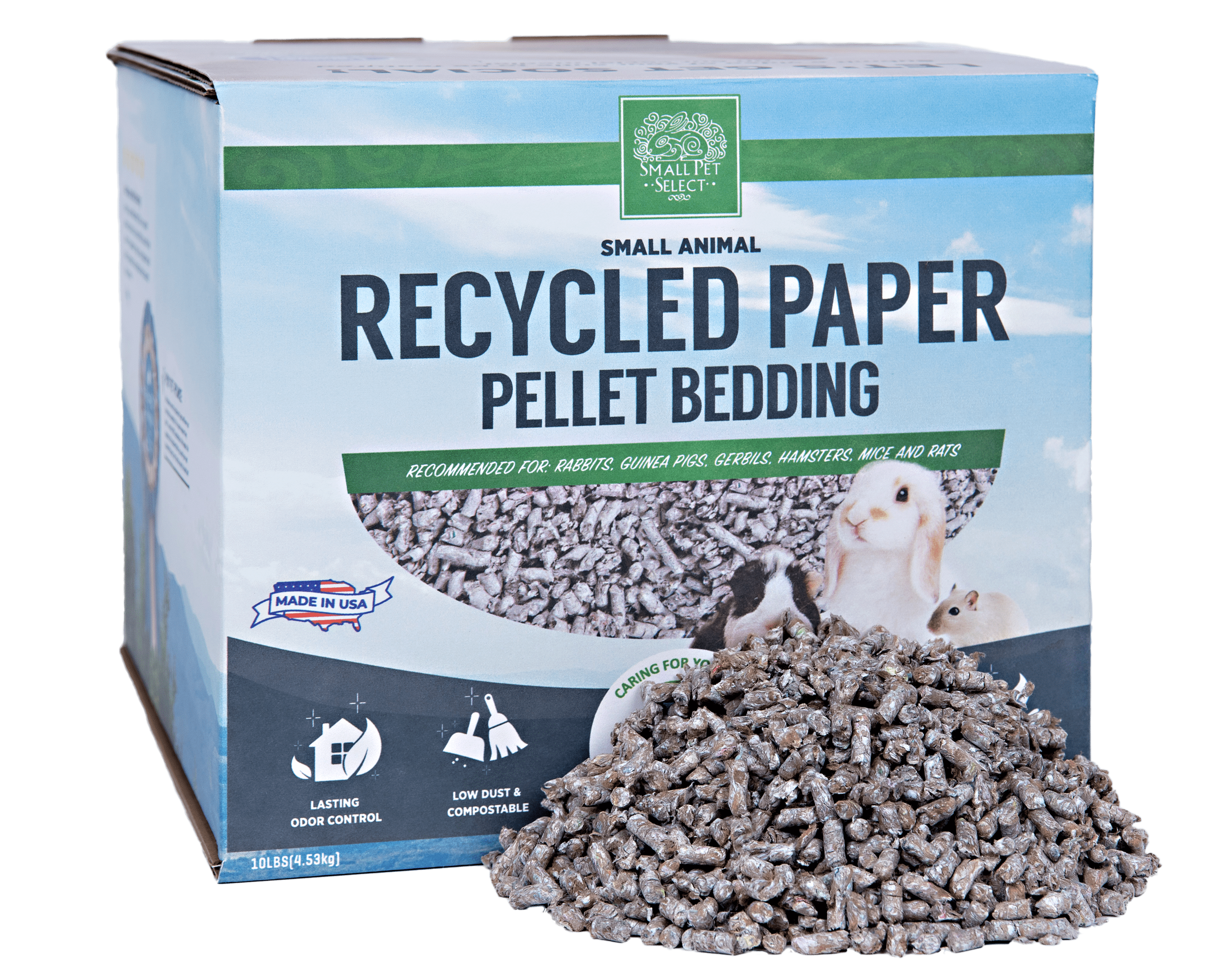
Paper Pellet Bedding Features and Benefits
Paper pellet bedding is made from compressed recycled paper formed into uniform pellets. It’s valued for high absorbency, very low dust, and easy spot cleaning. Many households find that pellets help keep urine contained in specific areas, making daily scooping simple; full replacements are commonly recommended about every 10 days for optimal hygiene and odor control, a cadence echoed in small pet care guidance from our education team The importance of bedding.
Pellets are soft to the touch but can feel firm underfoot when saturated. In high-moisture zones, any pellet can become heavy and need faster replacement. For allergy-prone households and quick daily tidies, paper pellets are a strong contender.
Absorbency Comparison
Absorbency drives odor control and cleaning frequency. Industry comparisons consistently note that pellets can absorb far more than loose shavings; in fact, pellets are about five times more absorbent than wood shavings in stall and pet applications Pellets vs. shavings absorbency. Hemp bedding is widely reported as the most absorbent and eco-forward choice among the three, with paper pellets close behind and aspen the least absorbent of the group.
|
Bedding Type |
Relative Moisture Capacity |
Typical Full-Change Frequency |
Notes |
|---|---|---|---|
|
Hemp |
Highest |
7–14 days |
Uses less volume; excellent odor neutralization; easy spot cleaning |
|
Paper Pellets |
High (≈5x vs. shavings) |
About every 10 days |
Uniform pellets simplify scooping; holds urine in place |
|
Soft Paper Bedding |
High |
5–10 days |
Plush and gentle; absorbs quickly; ultra low-dust; helps control odors between full changes |
|
Aspen Shavings |
Moderate |
3–5 days |
Natural look; lower absorbency requires more frequent refreshes |
Your actual schedule will vary with cage size, piggy count, and how diligently you spot clean.
Odor Control and Cleanliness
Hemp naturally helps neutralize odors and minimizes ammonia buildup without added fragrances, keeping habitats fresher longer. Paper pellets and wood pellets also excel at ammonia suppression and make daily spot cleaning quick, thanks to their clumping, localized wet zones (a major advantage over loose shavings seen across pellet comparisons). Aspen offers mild, natural odor control but typically requires more frequent changes to avoid lingering smells.
Safety and Respiratory Health
Low dust matters. Low-dust bedding reduces the amount of airborne particles in a pet’s enclosure, supporting respiratory and overall health. Hemp and paper pellets are both known for minimal dust, which is helpful for pets and people with sensitivities. Aspen shavings are considered safe because they contain no aromatic oils, unlike pine and cedar, which can irritate airways in small mammals Veterinary guidance on aromatic oils.
If your pet has a history of sneezing, red eyes, or crusty discharge, choose the lowest-dust option you can and keep up with daily spot cleaning.
Eco-Friendliness and Sustainability
If you prioritize sustainability, all three options can fit - but hemp often leads the pack.
- Hemp: Grows quickly with minimal pesticide needs, yields abundant biomass per acre, and composts readily Industrial hemp sustainability data.
- Aspen: Sourced from renewable wood, heat-treated, fully biodegradable, and safe to compost in most municipal or home systems.
- Paper Pellets: Made from recycled paper, reducing landfill demand; compostable where local rules allow.
|
Bedding Type |
Renewable/Recycled |
Compostable |
Sustainability Notes |
|---|---|---|---|
|
Hemp |
Rapidly renewable crop |
Yes |
High yield per acre; low pesticide profile |
|
Aspen |
Renewable wood byproduct |
Yes |
Heat-treated; fully biodegradable |
|
Paper Pellets |
Recycled paper |
Yes |
Diverts paper waste; check local composting rules |
Ease of Cleaning and Maintenance
- Paper pellets: Easiest for daily spot cleaning; most households fully replace about every 10 days, and pellets’ consistent texture and size reduce scooping frustration Cleaning cadence and handling.
- Hemp: Because it’s highly absorbent, you’ll generally use less and change less often. Great for busy schedules and bigger herds.
- Aspen: Expect the most frequent full changes; plan on tighter cleaning intervals to keep odors in check.
Comfort and Suitability for Small Pets
Comfort is about texture, dryness, and how well a bedding supports natural behaviors:
- Hemp and aspen provide soft, natural substrates that invite nesting and light burrowing.
- Paper pellets feel soft initially but can become firm or uncomfortable when saturated, so keep high-traffic potty zones scooped.
- Pro tip: Layering pellets on the bottom for moisture control with a thin top layer of hemp can deliver the best of both worlds for many guinea pigs Layering tip.
Cost and Long-Term Value
- Hemp: Higher upfront cost, but longer life between changes and lower volume per use often make it cost-effective over time.
- Paper pellets: Strong value for low dust and absorbency; may need more frequent full replacements than hemp, depending on your pigs and setup.
- Aspen: Typically lowest initial price, but the frequent refresh schedule can increase total spend and storage needs.
If you’re budget-sensitive but value convenience, pellets often strike the right balance. For maximum longevity and compostability, hemp shines.
Which Bedding Is Best for Your Pet?
There’s no single winner for every home, but here’s a quick decision guide:
- Best for odor control: Hemp
- Best for respiratory sensitivities: Hemp or paper pellets (low dust)
- Best for sustainability: Hemp (close second: paper pellets for recycled content)
- Easiest daily maintenance: Paper pellets
- Most natural look and feel: Aspen (with more frequent refreshes)
- Best long-term value: Hemp (uses less, lasts longer)
Want help choosing? Explore our curated bedding for guinea pigs under the Picky Pet Promise - try it, and if your pet’s not happy, we’ll make it right Small Pet Select bedding range. For deeper guidance, our care team breaks down what to consider by household and habitat size Guinea pig bedding guide.
Frequently Asked Questions
Which bedding is most absorbent for small pets?
Hemp bedding is the most absorbent, with paper pellets close behind; aspen typically requires more frequent changes.
Which bedding controls odor best?
Hemp leads for odor control thanks to its natural ammonia-neutralizing properties, with pellets also performing well when spot cleaned.
Are hemp, aspen, or paper pellets safe for small animals?
Yes, when sourced from reputable brands like Small Pet Select and used as directed; avoid aromatic softwoods like pine or cedar.
How do these beddings affect respiratory health?
Hemp and paper pellets are low dust and ideal for sensitive pets, while aspen is safe because it contains no harmful aromatic oils.
Which bedding is easiest to clean and maintain?
Paper pellets are the easiest to spot clean, while hemp often needs fewer full changes due to its higher absorbency.